Aligning Authorization Logs from Card Networks with Warehouse Reorder Triggers Across Retail Supply Networks
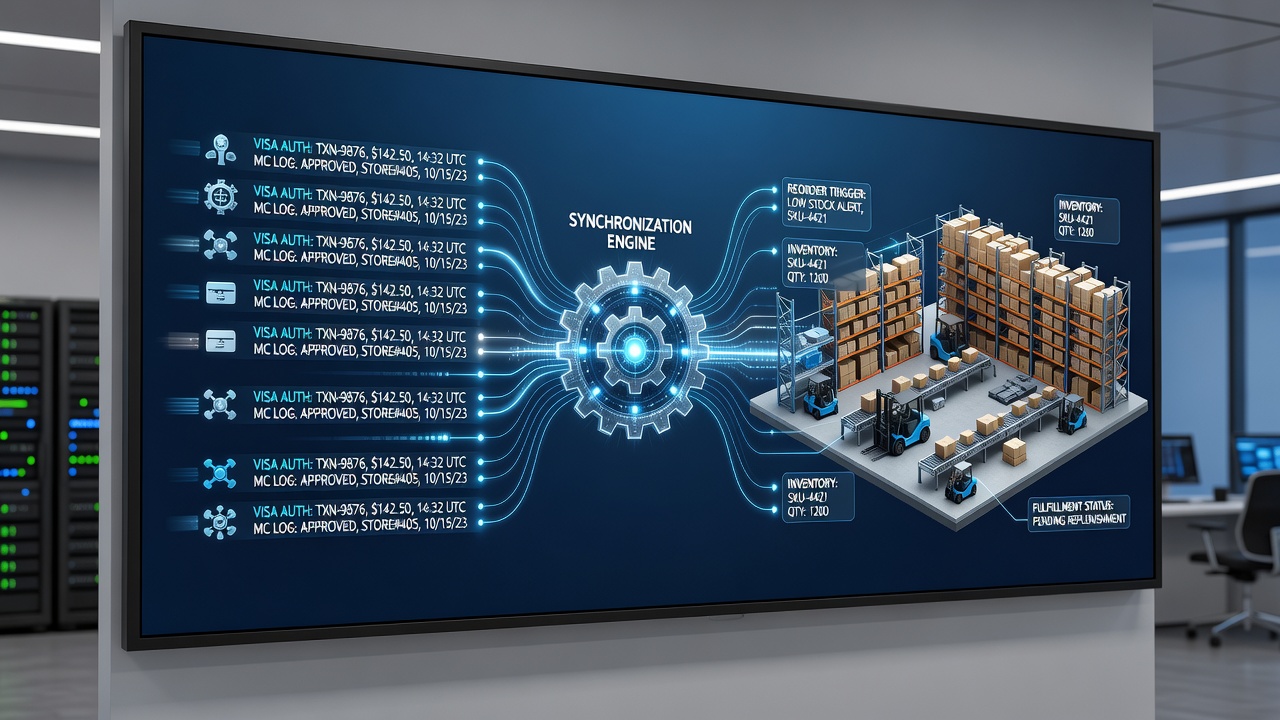
Retail operations depend on precise connections between payment authorization data and inventory controls, where logs generated during card network transactions feed directly into warehouse systems that manage reorder points. These authorization logs capture details such as transaction amounts, merchant identifiers, timestamps, and approval statuses, which processors record at the moment of sale across physical and digital channels. When synchronized properly, the data informs automated triggers that adjust stock levels before shortages occur, reducing delays in replenishment cycles that span distribution centers and supplier networks.
How Authorization Data Flows into Supply Decisions
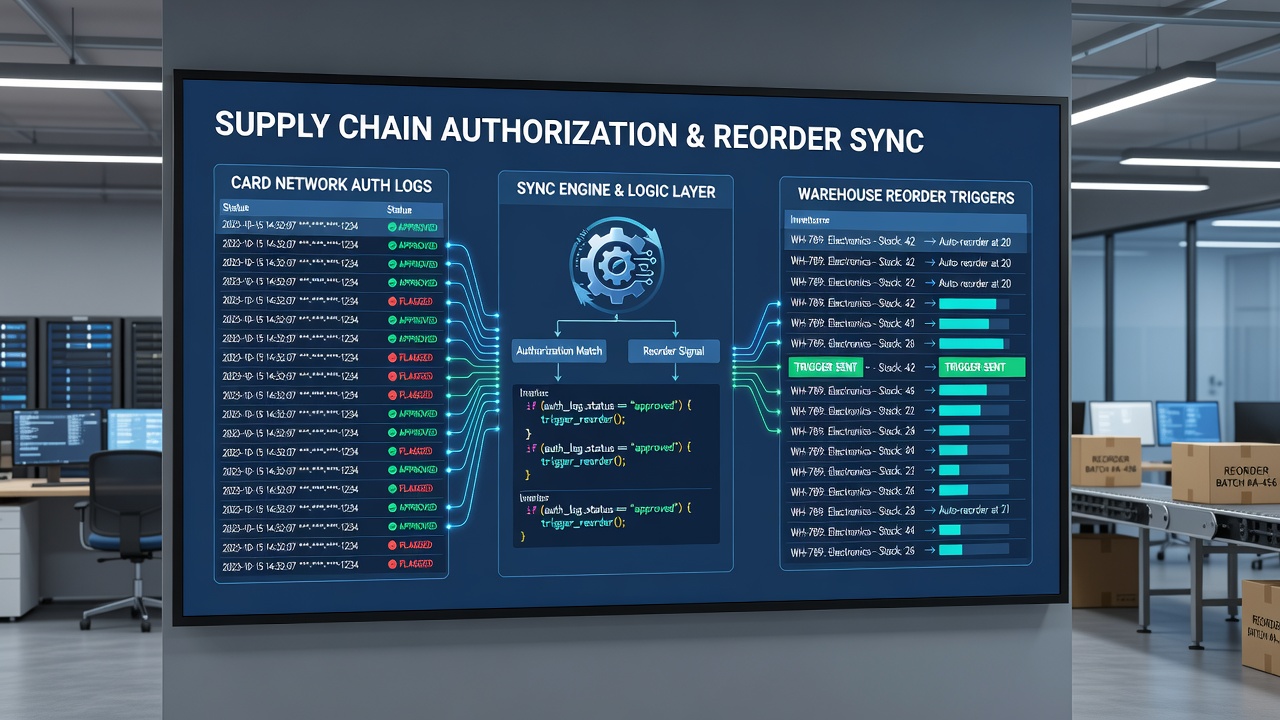
Card networks transmit authorization requests through acquirers and issuers, creating records that merchants can access via secure APIs or batch files. Retailers extract fields like approved sale quantities and product SKUs from these logs, then map them against existing inventory thresholds maintained in warehouse management platforms. This mapping occurs through middleware that normalizes the payment information into formats compatible with enterprise resource planning tools, allowing reorder algorithms to activate based on real-time sales velocity rather than periodic manual reviews. Observers note that integration points often sit between gateway outputs and warehouse databases, where rules engines evaluate whether cumulative authorizations have crossed predefined reorder quantities for specific items.
Technical Components of the Alignment Process
Systems achieve alignment through standardized data schemas that convert authorization events into inventory events. For instance, an approved transaction for ten units of a product registers as a deduction from available stock, prompting the warehouse software to compare remaining levels against safety stock parameters and supplier lead times. Retail chains implement these connections using event-driven architectures, where messages queue between payment processors and supply applications to maintain consistency across multiple locations. Research indicates that such setups handle thousands of daily transactions by filtering noise from declined authorizations and focusing only on completed sales that affect physical inventory counts.
Implementation Across Multi-Channel Retail Environments
Supply networks spanning brick-and-mortar stores, e-commerce sites, and mobile channels require consistent application of the same alignment logic. Authorization logs from in-store terminals combine with those from online gateways, creating unified views that warehouse operators use to allocate stock from central facilities. In June 2026, updates to data exchange standards from organizations like the National Institute of Standards and Technology are expected to refine timestamp synchronization between these sources, which helps address discrepancies that arise during high-volume periods such as promotional events. Those managing distributed warehouses report that unified logs allow reorder triggers to account for regional demand variations without separate processing streams for each sales channel.
Supporting Infrastructure and Data Standards
Successful alignment relies on secure transmission protocols and compliance with payment card industry requirements that govern how authorization details move beyond the initial transaction. Retailers deploy encryption layers and access controls so that only authorized supply systems receive the necessary fields, while audit trails track every handoff from card network to warehouse database. Data from the US Census Bureau retail trade reports shows consistent growth in transaction volumes that benefit from automated inventory responses, particularly in sectors handling perishable or seasonal goods. European retailers often reference similar frameworks from Eurostat commerce statistics to benchmark their own synchronization projects across cross-border supply routes.
Operational Outcomes Observed in Practice
Companies that establish these alignments experience tighter coordination between sales activity and restocking schedules. Warehouse teams receive alerts generated directly from aggregated authorization data, enabling them to issue purchase orders to suppliers before stock reaches critical lows. One distribution network documented in industry analyses reduced out-of-stock incidents by routing card-derived sales signals into its reorder engine, which adjusted quantities based on both volume and timing patterns extracted from the logs. Observers point out that this approach supports forecasting models that incorporate payment timing information alongside traditional demand signals, creating more responsive supply adjustments across the network.
Conclusion
Alignment between card network authorization logs and warehouse reorder triggers forms a core element of modern retail supply coordination. The process converts transaction records into actionable inventory signals through established data flows and system interfaces, supporting consistent stock management across varied sales environments. As standards evolve and infrastructure matures, these connections continue to shape how retailers maintain availability without relying solely on periodic inventory counts or disconnected reporting cycles.