Clearing Cycle Alignments Between Processor Batches and Warehouse Automation Signals in Blended Sales Models
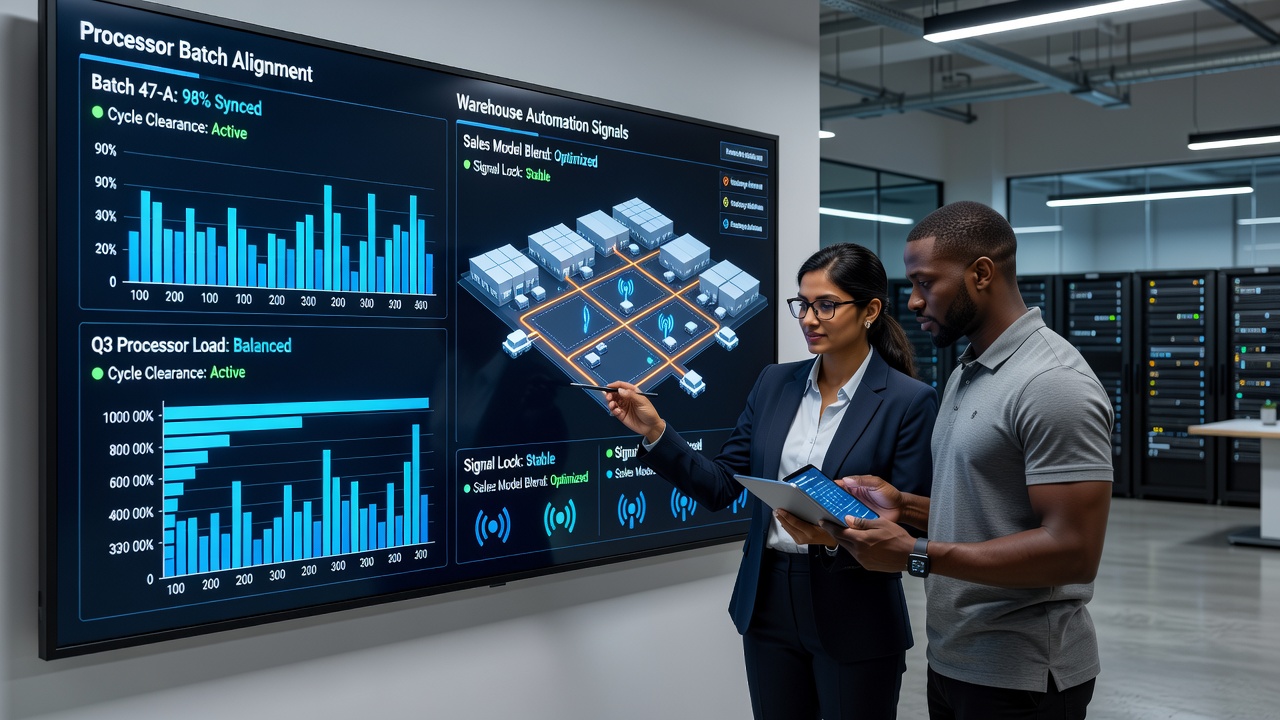
Blended sales models combine physical store transactions with digital orders, which creates specific requirements for timing payment settlements against inventory movements. Processor batches settle funds from card networks on schedules that range from same-day to next-business-day cycles, while warehouse systems respond to sales data through automated triggers that adjust stock levels and reorder points. Observers note that synchronization between these two streams reduces discrepancies in reported inventory values and cash positions.
How Processor Batches Operate in Multi-Channel Environments
Payment processors group transactions into batches at set intervals, typically at the close of each business day or at predefined cut-off times, before forwarding them to acquiring banks and card networks for clearing. In blended operations, batches contain both in-store terminal captures and online gateway submissions, which means settlement timing affects the accuracy of daily sales totals used by downstream systems. Data from the Federal Reserve's payment system reports show that batch sizes in retail environments often exceed 10,000 transactions per merchant during peak periods, with settlement windows influencing when funds become available for operational use.
Warehouse Automation Signals and Their Data Inputs
Warehouse management platforms receive sales signals from multiple sources and translate those inputs into actions such as pick-list generation, stock transfers, and supplier notifications. Automation rules commonly activate when transaction records cross thresholds, for example when cumulative units sold reach a preset quantity. These signals depend on real-time or near-real-time feeds that originate from point-of-sale devices and e-commerce platforms, yet the underlying payment confirmation arrives later through batch settlement files. Researchers at institutions studying supply-chain data flows have documented that mismatches between sales capture and settlement confirmation can delay reorder signals by up to 24 hours in some configurations.
Alignment Mechanisms Across Blended Channels
Merchants implement middleware layers that map batch settlement timestamps to warehouse event logs, allowing inventory algorithms to adjust for transactions that have cleared rather than merely authorized. One common approach involves tagging each transaction record with both an authorization timestamp and a settlement identifier, then using the settlement identifier as the trigger for final inventory deductions. In practice, systems compare processor batch files against sales databases at regular intervals, often hourly during high-volume periods, to identify which orders have moved from pending to settled status. According to industry analyses from the Bank of Canada, such mapping routines have become standard in large retail networks where daily transaction volumes exceed several hundred thousand units.
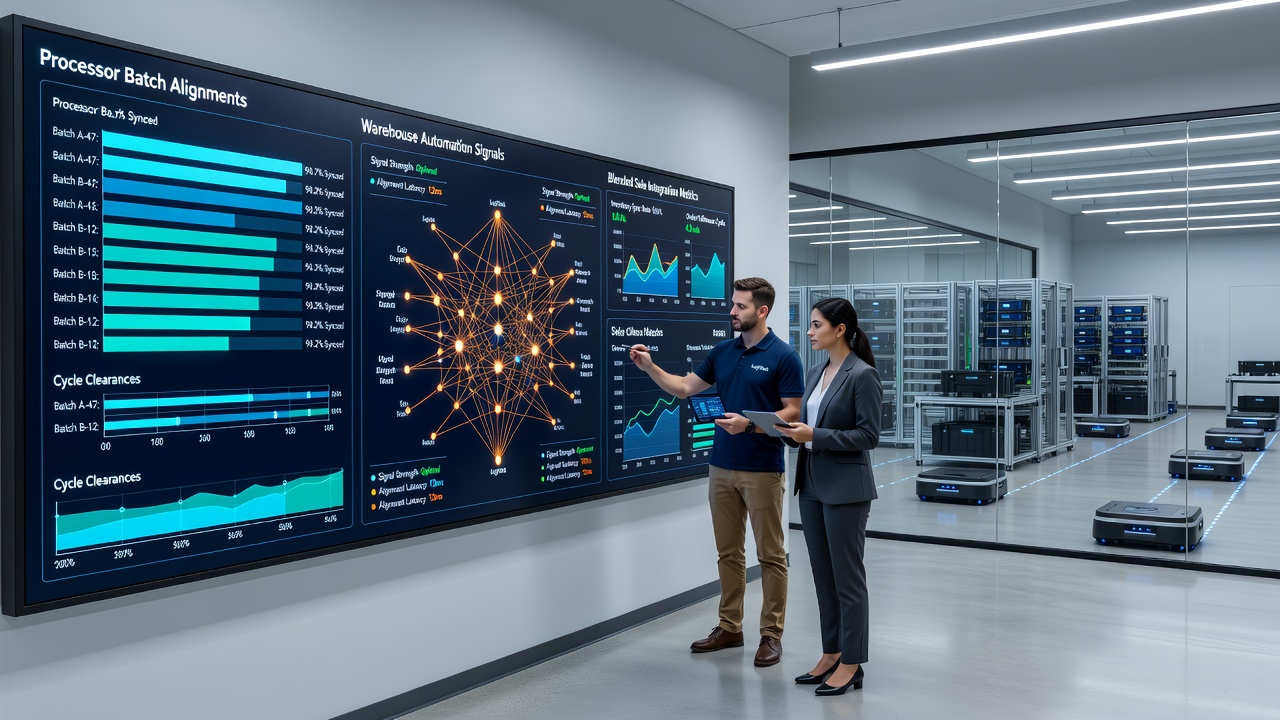
Some operators schedule warehouse automation jobs to run immediately after known batch cut-off times, which creates a predictable cadence between payment confirmation and stock adjustments. This method works particularly well when processors publish batch completion notifications through APIs, enabling direct integration without manual reconciliation steps. Observers have recorded that organizations using these scheduled alignments report fewer instances of over-ordering or stockouts tied to timing gaps.
Technical Considerations in June 2026 Deployments
By June 2026, several payment networks have expanded support for faster batch reporting through enhanced ISO 20022 messaging standards, which supply additional fields for settlement status and batch identifiers. Warehouse platforms that ingest these enriched files can execute automation rules with greater precision, linking each settled transaction directly to inventory records. Systems integrators have noted that legacy batch formats still in use require translation layers to extract the necessary fields, adding processing steps but preserving compatibility across older and newer merchant setups.
Network latency between acquiring banks and warehouse servers remains a factor during alignment, especially when batches contain mixed currency transactions from international sales channels. Automated reconciliation engines apply rules that flag records where settlement amounts differ from captured amounts due to currency conversion or fee deductions, preventing erroneous inventory movements based on net rather than gross figures.
Operational Outcomes in Retail Networks
Retail chains that maintain tight coupling between processor batch files and warehouse signals experience more consistent inventory valuation across financial and operational reports. Take one distribution center operator who integrated settlement notifications into daily warehouse refresh cycles, resulting in reorder triggers that activated only after funds had cleared rather than at the point of authorization. Such practices align cash availability with physical stock movements, which supports accurate cash-flow forecasting used by procurement teams.
Industry groups tracking payment and logistics data have compiled examples where alignment reduced the frequency of manual inventory corrections by measurable percentages across multi-site operations. These improvements stem from fewer instances of inventory counted as sold before settlement confirmation arrives, particularly in models that process high volumes of both in-store and ship-from-store orders.
Conclusion
Clearing cycle alignments between processor batches and warehouse automation signals continue to evolve alongside updates to payment messaging standards and warehouse software capabilities. Organizations that map settlement events to inventory actions maintain tighter control over both financial records and stock levels in blended sales environments. As batch reporting becomes more granular and integration points more standardized, the technical pathways connecting these two operational domains are expected to support increasingly precise coordination without additional manual oversight.