Hidden Links Between Countertop Devices and Cloud Subscription Engines in Retail Chains
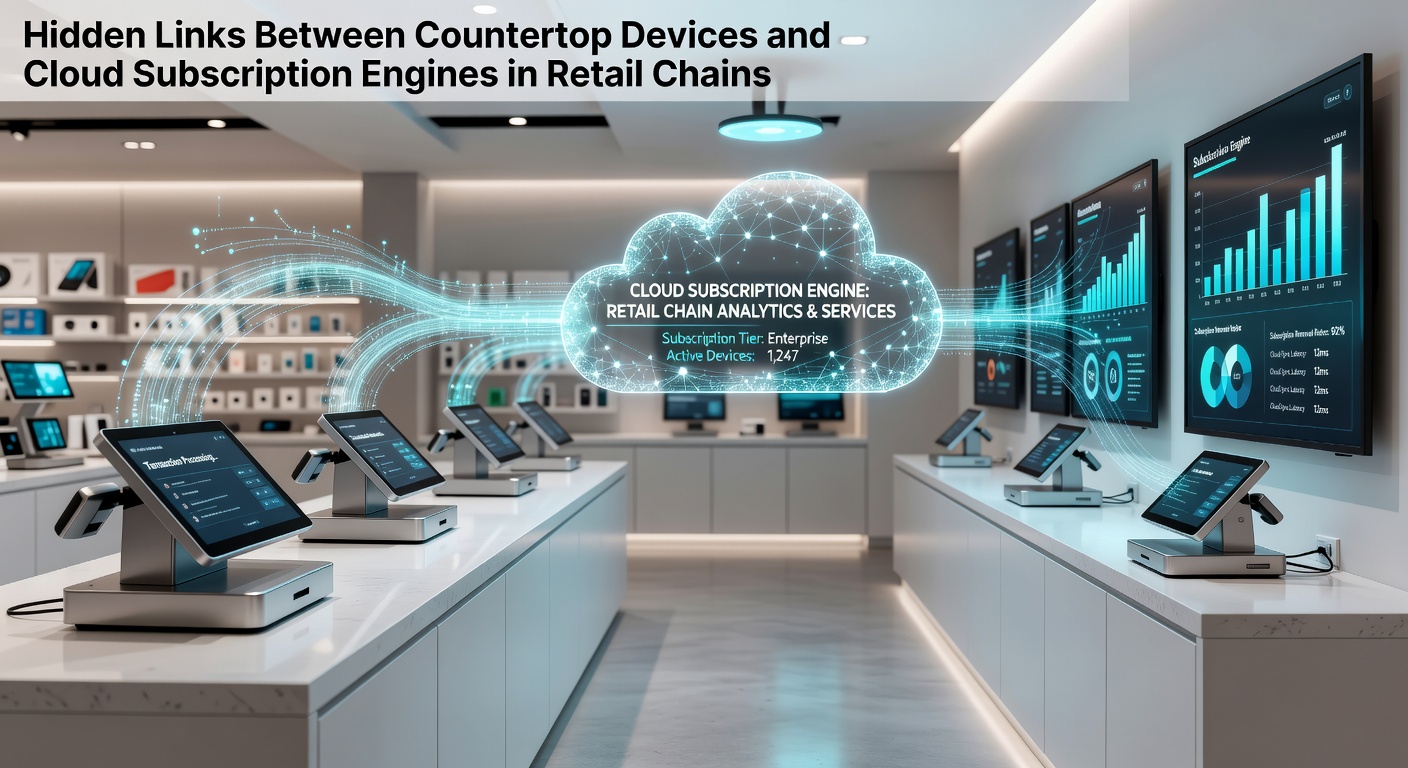 Retail chains have built extensive networks where countertop devices handle daily transactions while cloud subscription engines manage recurring billing cycles and customer accounts, yet the pathways connecting these systems often remain overlooked in standard operational reviews. Countertop terminals capture point-of-sale data on purchases and membership sign-ups, then route encrypted payloads through middleware layers that synchronize with cloud platforms handling subscription renewals, inventory updates, and loyalty accruals. This integration allows retail operators to maintain consistent records across physical and digital channels without manual reconciliation steps. Data exchange protocols form the core of these connections, with countertop devices transmitting structured transaction files that include item identifiers, payment tokens, and subscription flags directly to cloud endpoints. Application programming interfaces standardize these transfers, enabling real-time adjustments when a customer upgrades a service plan at the register or cancels a recurring delivery order. Retail chains operating multiple locations rely on these links to propagate changes instantly, reducing discrepancies that once required separate audit processes.
Technical Synchronization Mechanisms
Observers note that synchronization occurs through batch and streaming methods, where countertop hardware pushes immediate updates for high-volume periods while cloud engines pull aggregated datasets during off-peak windows. Encryption standards such as TLS 1.3 secure the transit, and tokenization replaces sensitive card details before storage occurs in subscription databases. Retail systems tested in 2025 demonstrated that these methods cut reconciliation errors by measurable margins when applied across franchise networks.
June 2026 brought forward updated certification requirements from the Payment Card Industry Security Standards Council that emphasized tighter mapping between terminal firmware and cloud authentication modules, prompting several chains to deploy unified configuration templates. These templates ensure that subscription status flags generated at the countertop level match cloud records without additional verification scripts. Industry reports indicate adoption rates increased steadily following the guideline release.
Operational Data Flows in Multi-Location Retail
Take one national grocery operator that linked countertop terminals to a centralized subscription engine handling meal-kit deliveries and loyalty rewards. Transaction streams from each store feed into cloud queues that trigger inventory deductions and renewal notices simultaneously. Middleware components monitor latency thresholds and reroute traffic during peak hours to maintain processing speeds below two seconds per record. This setup supports cross-channel consistency where a customer who subscribes online can modify the plan in-store without creating duplicate entries.
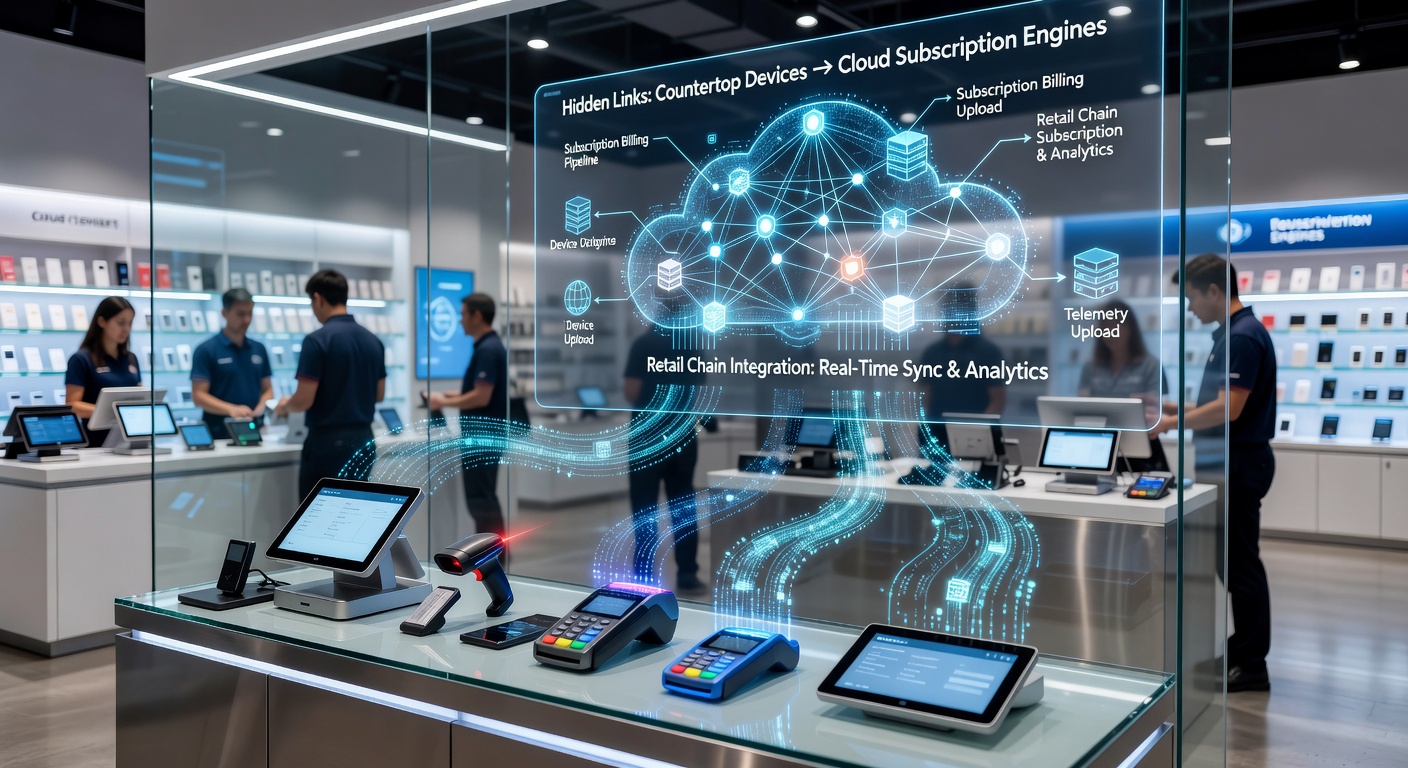
Research from the National Institute of Standards and Technology outlines best practices for these linkages, stressing the importance of audit logs that trace every data hop from terminal to cloud storage. NIST guidelines on secure data exchange highlight how retail environments benefit from segmented network zones that isolate subscription traffic from general point-of-sale operations. European retail consortia have similarly documented comparable approaches through cross-border studies released in early 2026.
Security and Compliance Considerations
Security protocols extend beyond transit encryption to include endpoint validation routines that verify terminal identities before accepting subscription commands. Cloud engines implement role-based access controls that restrict which store personnel can initiate plan changes or view renewal histories. Compliance frameworks require periodic penetration testing of these interfaces, with findings fed back into firmware updates distributed to countertop fleets. Data from the Australian Competition and Consumer Commission shows that retail sectors maintaining such layered protections experienced fewer reported incidents involving subscription data exposure during the preceding fiscal year.
Inventory synchronization represents another layer where countertop devices and subscription engines intersect. When a customer purchases a subscription item at checkout, the terminal signals the cloud system to adjust projected demand forecasts and trigger supplier orders. This feedback loop operates continuously, allowing chains to respond to regional purchasing patterns without separate forecasting tools. Middleware platforms often embed machine learning components that refine these predictions based on historical terminal data streams.
Integration Challenges Across Legacy and Modern Systems
Chains that operate both older countertop models and newer cloud-native terminals encounter mapping discrepancies that require custom translation layers. These layers convert legacy data formats into structures compatible with subscription management APIs, preserving fields such as membership identifiers and billing cycles. Testing conducted by independent research groups revealed that successful mappings reduced processing failures during high-traffic promotions. Retail technology vendors have released modular adapters to address these compatibility gaps without full hardware replacements.
Analytics derived from combined datasets provide visibility into subscription retention rates correlated with in-store experiences. Countertop interaction logs merged with cloud renewal statistics allow analysts to identify friction points where customers abandon recurring services after physical visits. Retail chains apply these insights to refine staff training protocols and terminal interface designs.
Conclusion
The connections between countertop devices and cloud subscription engines continue to expand as retail chains refine their data architectures. Standardized protocols, enhanced security measures, and synchronized inventory mechanisms form the foundation of these linkages. Ongoing developments around certification updates and cross-platform adapters support broader implementation across diverse store formats. Retail operators monitor these integrations through established compliance channels to maintain operational continuity and data integrity.