How Countertop Hardware Data Streams Influence Inventory Algorithms in Hybrid Retail Ecosystems
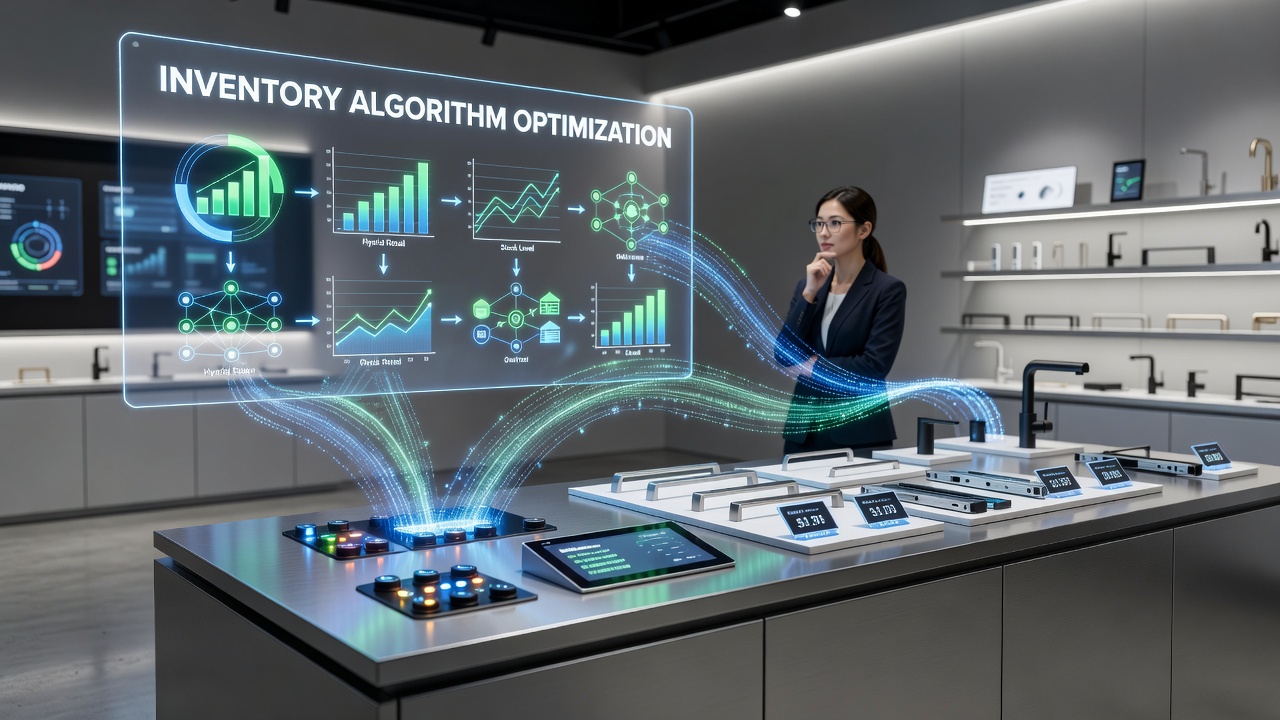 Countertop hardware such as payment terminals and barcode scanners generates continuous data streams that feed directly into inventory algorithms across hybrid retail setups where physical locations connect with online channels, and these streams include transaction timestamps, product SKUs, quantity sold, and payment method details that algorithms process to adjust stock levels in near real time. Retail networks rely on this flow because countertop devices capture sales the moment they occur, sending structured packets over secure APIs to centralized platforms that run predictive models based on velocity and regional demand patterns.
Data Pathways from Terminal to Algorithm
Countertop units equipped with Ethernet or cellular connections transmit batches every few seconds during peak hours, and this cadence allows algorithms to recalculate reorder points without waiting for end-of-day reports. When a hybrid retailer processes a sale at the counter the system logs the depletion instantly while cross-referencing online order data to prevent overselling the same unit across channels. Middleware layers normalize the raw streams into formats that machine learning models can ingest, turning individual line items into aggregated signals that trigger automatic purchase orders when thresholds drop below calculated safety stock.
Observers note that integration points often sit between legacy terminal firmware and modern cloud engines, yet standardized protocols like those outlined in recent retail technology guidelines have reduced latency to under two seconds in many deployments. The result appears in dynamic dashboards that show both in-store and web inventory as a single pool rather than separate silos.
Algorithmic Adjustments Driven by Hardware Inputs
Inventory algorithms incorporate variables such as time-of-day sales spikes, payment type correlations, and return rates pulled straight from countertop logs, and these inputs refine forecasts that once depended solely on historical weekly aggregates. For instance, when hardware detects a surge in contactless payments for a specific electronics category the model increases projected demand for accessories that pair with those items. Hybrid operations benefit because the same dataset informs both physical restocking schedules and online fulfillment routing decisions.
Research from Statistics Canada on technology adoption in Canadian retail shows that firms using live terminal feeds reduced stockouts by measurable margins during 2025 test periods. Algorithms apply weighting factors to recent hardware data versus older batch uploads, which produces tighter confidence intervals around projected needs. This weighting shifts automatically when external events like weather disruptions affect foot traffic patterns captured at the counter.
Hybrid Ecosystem Synchronization Examples
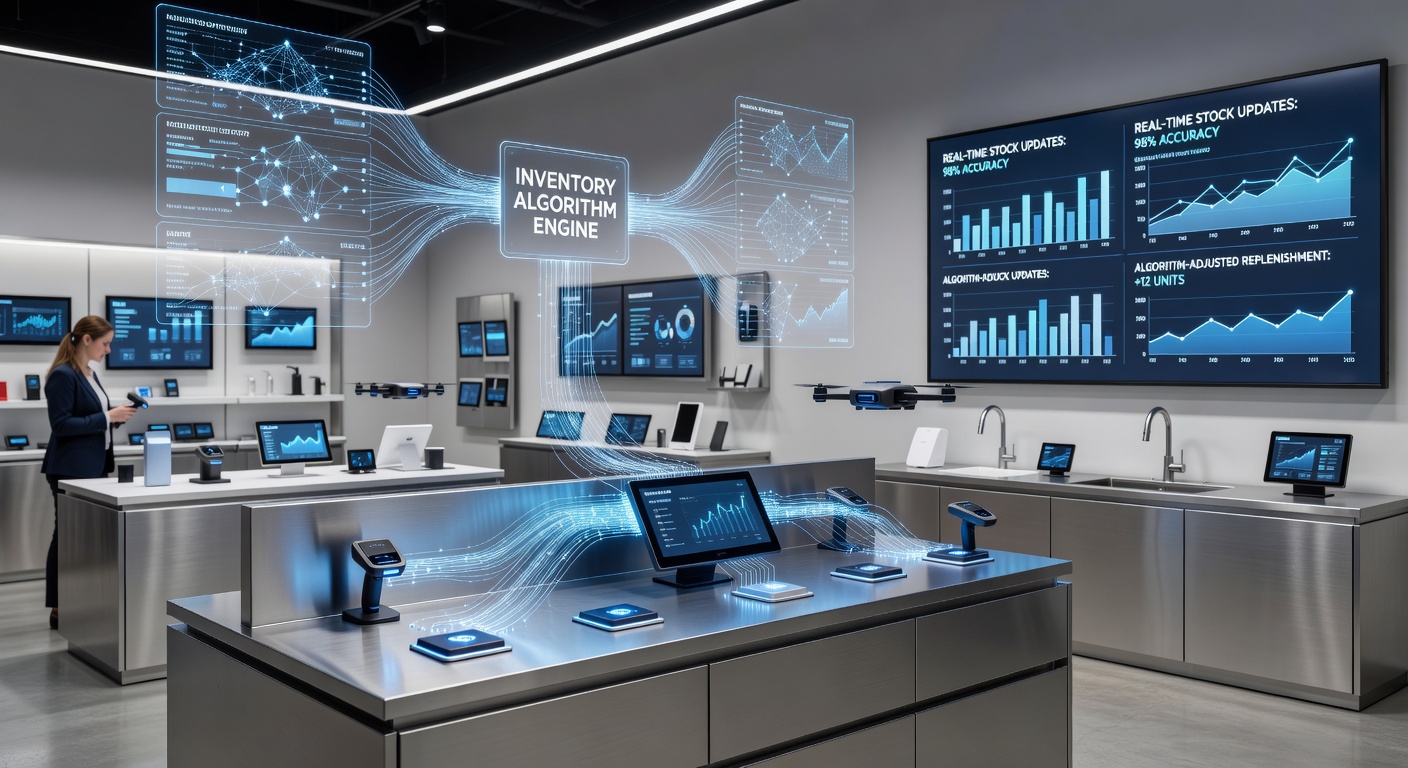
One national chain implemented countertop-to-algorithm pipelines in June 2026 that synchronized three hundred physical sites with its e-commerce platform, resulting in unified visibility where online orders drew down physical counts without manual intervention. The hardware streams also flagged discrepancies such as mismatched SKUs between channels, prompting immediate corrections before they cascaded into larger imbalances. Similar setups appear in regional operators who combine terminal data with supplier lead times to generate rolling purchase recommendations that update every fifteen minutes during high-volume periods.
Those who manage multi-channel systems report that the continuous nature of countertop inputs supports more granular segmentation, dividing inventory into micro-locations such as specific store aisles or online shipping zones. Algorithms then apply location-specific decay rates for perishable goods based on actual scan timestamps rather than estimated averages.
Integration Challenges and Technical Responses
Compatibility between older countertop models and updated algorithm frameworks requires middleware translation layers that map proprietary data fields to open standards, and organizations that completed these mappings early achieved smoother scaling when adding new store locations. Security protocols embedded in the data streams encrypt each packet at the hardware level before transmission, satisfying compliance requirements while preserving the speed needed for real-time inventory recalculations. Network redundancy measures ensure that brief connectivity drops do not halt algorithmic processing because buffered data resumes upload once connections stabilize.
Data volume from thousands of terminals across a chain can reach several terabytes daily, yet compression techniques applied at the device level keep transmission costs manageable while retaining the fidelity algorithms require for accurate forecasting. Observers have documented cases where retailers adjusted their models after noticing that certain payment types correlated with higher return volumes, allowing the system to build conservative buffers into stock projections for those categories.
Conclusion
Countertop hardware data streams continue to serve as primary inputs that shape how inventory algorithms operate within hybrid retail environments, delivering the granular, timely signals necessary for coordinated stock management across physical and digital channels. As terminal capabilities expand to include additional sensors and faster processors, the volume and variety of available data will likely grow, prompting further refinements in algorithmic design. Retailers that maintain clean integration pathways between their countertop infrastructure and central systems position themselves to respond fluidly to demand fluctuations captured at the point of sale.