Mapping Credit Card Data Pathways Through Merchant Services Ecosystems to Optimize Billing Software Synchronization in Subscription Models
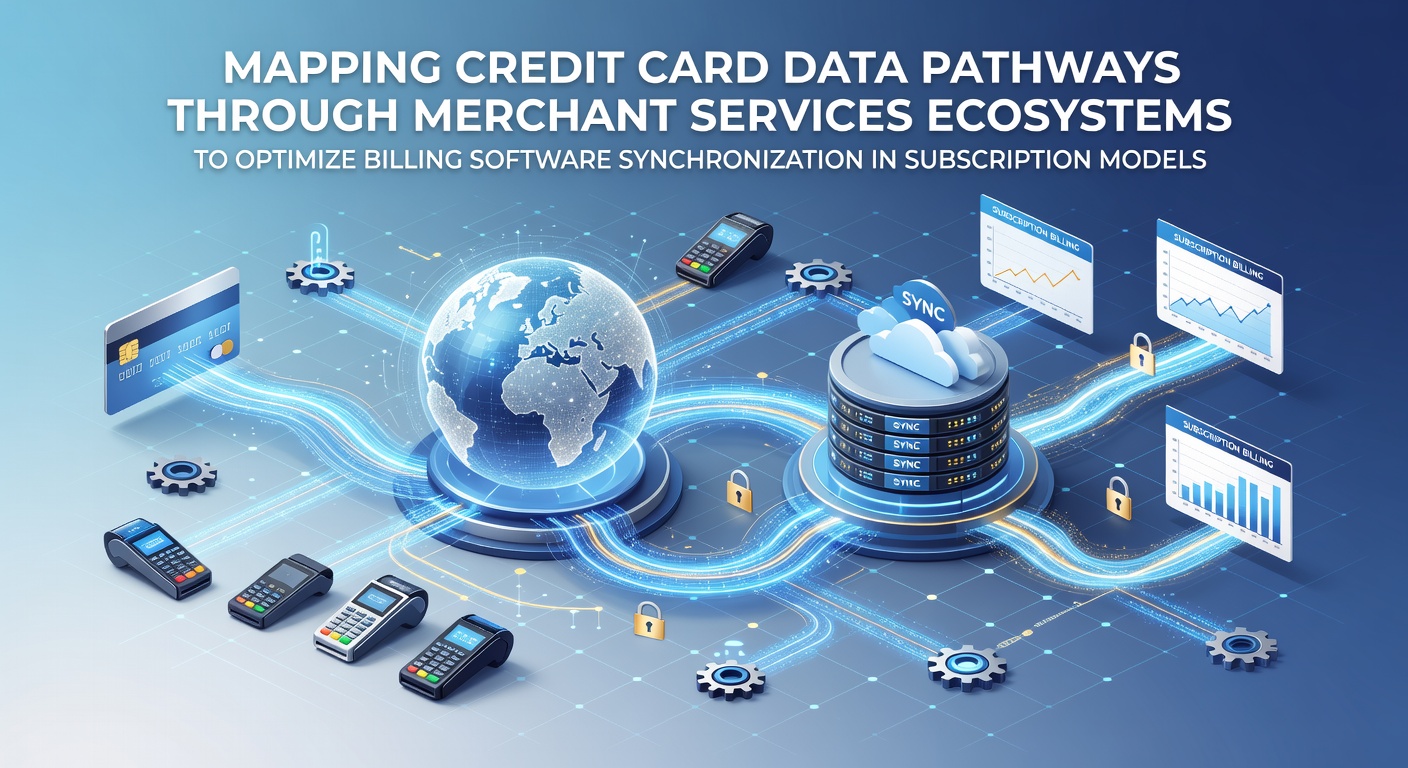
Payment data travels through multiple layers when customers subscribe to recurring services, and mapping those routes helps companies align transaction details with billing platforms. The process starts at the point of authorization where card details enter merchant systems, then moves to acquirers who route requests through card networks before reaching issuing banks for approval, while each step generates records that billing software must capture accurately to avoid mismatches in recurring charges.
Merchant services providers sit at the center of this flow, handling authorization requests and settlement batches that subscription platforms depend on for accurate invoicing cycles. Data elements such as authorization codes, settlement amounts, and token references pass between these entities, and when billing software pulls from these sources it creates a synchronized view of customer accounts that reflects real-time payment status across multiple billing periods.
Core Components of Credit Card Data Pathways
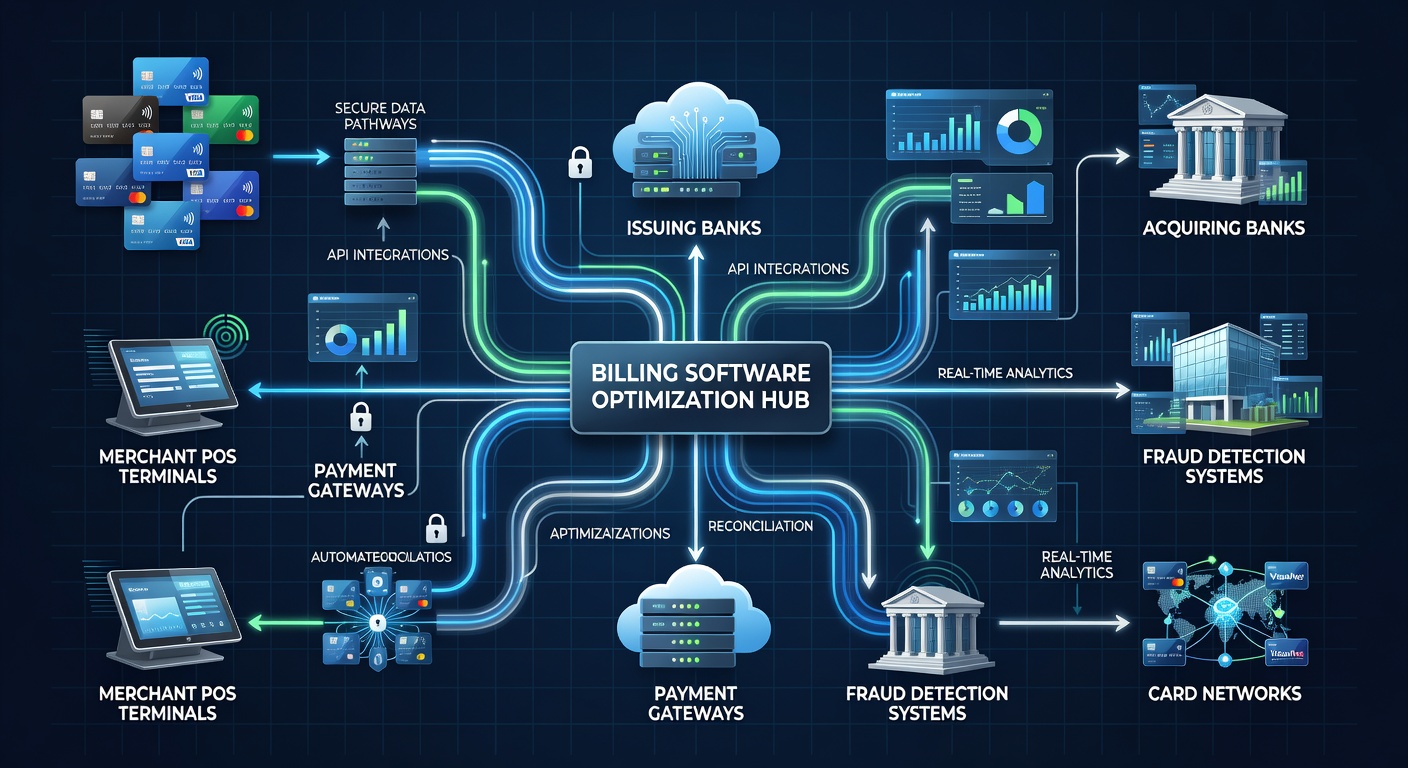
Acquirers receive initial transaction requests from merchants and forward them to payment processors that standardize message formats before sending them onward through card networks like Visa and Mastercard, while issuers respond with approval or decline signals that travel back along the same route. Tokenization occurs at several points in this chain, replacing sensitive card numbers with unique identifiers that reduce exposure yet still require precise mapping so billing software can associate each token with the correct subscription record.
Settlement files arrive later in the process and contain batch-level summaries that reconcile against individual authorizations, creating another layer of data that subscription platforms must integrate. Observers note that discrepancies often arise when settlement amounts differ from authorized figures due to tips, taxes, or partial shipments, and without clear pathway documentation these variances can disrupt automated billing updates.
Synchronization Challenges in Subscription Models
Billing software relies on consistent data feeds from merchant services to trigger invoice generation, update account statuses, and manage dunning sequences for failed payments. When pathway mapping remains incomplete, timing gaps appear between authorization events and settlement confirmations, leading to situations where customers receive invoices before payments fully clear or where failed transactions go undetected until the next billing cycle.
Subscription platforms increasingly use APIs to pull real-time status updates directly from processors, yet these connections depend on accurate field mapping that accounts for variations in how different acquirers format response codes and decline reasons. Research indicates that companies maintaining detailed pathway documentation experience fewer reconciliation errors during monthly closes because each transaction stage aligns with corresponding entries in their billing databases.
Optimization Strategies Through Detailed Pathway Mapping
Companies begin optimization by documenting every data touchpoint from initial card entry through final settlement, noting the exact fields exchanged at each hop and identifying which elements billing software requires for accurate record-keeping. This mapping exercise reveals where token references change hands or where additional metadata such as recurring payment indicators get attached, allowing developers to configure import routines that preserve these details across system boundaries.
Automated reconciliation tools then compare authorization logs against settlement reports using the mapped fields, flagging variances for review before they affect customer accounts. According to the PCI Security Standards Council, maintaining clear documentation of data flows supports compliance efforts while also improving operational accuracy in recurring billing environments. European Central Bank reports from 2025 highlight similar patterns across EU markets where standardized data mapping reduced processing delays in subscription services by measurable percentages.
Integration layers built on top of these maps enable subscription platforms to react to status changes within minutes rather than waiting for batch files, and this responsiveness helps prevent service interruptions that occur when billing systems operate on outdated payment information. Mid-2026 implementations show growing adoption of event-driven architectures that push updates along mapped pathways as soon as processors generate them.
Current Developments as of May 2026
Payment networks introduced enhanced messaging standards in early 2026 that include additional subscription-specific fields, and merchants who updated their pathway documentation accordingly report smoother synchronization with billing software. These updates allow processors to transmit indicators about trial periods, upgrade events, and proration calculations directly within authorization responses, reducing the need for separate data exchanges between systems.
Third-party services now offer pathway visualization tools that generate diagrams from transaction logs, helping operations teams identify bottlenecks where data latency exceeds acceptable thresholds for real-time billing updates. Organizations using these tools have documented improvements in matching rates between processed payments and generated invoices across multi-region subscription operations.
Conclusion
Accurate mapping of credit card data pathways through merchant services ecosystems provides the foundation for reliable synchronization between payment processing and subscription billing software. When companies maintain detailed documentation of each data exchange point and align their integration points accordingly, they reduce reconciliation issues and support consistent recurring revenue operations across diverse payment scenarios. The practices described continue to evolve with network standards and processor capabilities, yet the core requirement remains consistent identification and tracking of transaction elements throughout their journey from authorization to settlement.