Metadata Pathways Linking Terminal Hardware to Subscription Platforms Enhance Fraud Screening in Recurring Charge Cycles
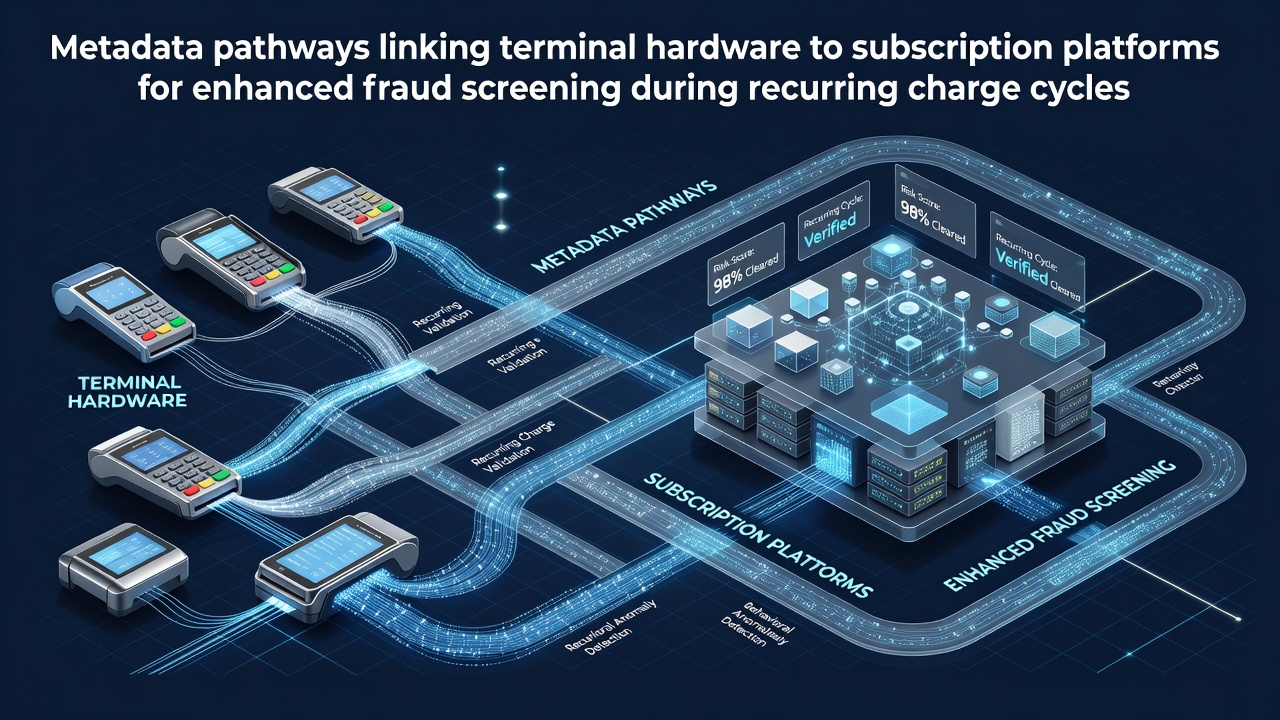
Terminal hardware generates streams of metadata during each transaction, and these details travel through defined pathways to subscription platforms where algorithms evaluate risk before processing recurring charges; data points such as device serial numbers, firmware versions, and geolocation coordinates combine with timestamps to create profiles that flag anomalies across billing cycles. Observers note that payment networks rely on these connections to maintain accuracy when merchants handle both in-store and digital subscriptions simultaneously.
Core Components of Metadata Collection at the Terminal Level
Hardware devices capture specific attributes during authorization requests, including terminal identification codes, encryption key statuses, and network connection types, while software layers append details like battery levels and peripheral connections that indicate operational integrity. Researchers have documented how these elements form baseline signatures that subscription engines compare against historical patterns for each customer account. Data shows that terminals equipped with EMV chip readers transmit additional metadata fields related to card insertion angles and contact durations, which processors use to detect tampering attempts before charges reach recurring billing systems.
Transmission Protocols and Secure Routing Mechanisms
Metadata travels via encrypted API calls that route through acquiring bank gateways, and these pathways maintain separation between raw transaction amounts and contextual device information to comply with standards such as those outlined in PCI DSS guidelines. Systems often employ tokenization at the terminal edge so that sensitive card data never reaches subscription platforms directly, whereas metadata identifiers travel alongside tokenized payloads for correlation purposes. According to a Federal Reserve report on payment infrastructure security, synchronized timestamping across hardware and cloud layers reduces discrepancies that fraudsters exploit during batch processing of recurring invoices.
Integration points between physical terminals and subscription platforms typically involve middleware that normalizes metadata formats from various hardware vendors, allowing consistent evaluation regardless of whether the original transaction occurred at a countertop reader or a mobile device paired with a docking station. Experts have observed that this normalization step becomes critical when merchants update terminal firmware, since version changes alter the available metadata fields and require platform-side adjustments to avoid false positives in fraud scoring models.
Application in Recurring Charge Screening Processes
Subscription platforms ingest terminal-derived metadata to build risk scores that influence whether an upcoming charge receives automatic approval or triggers additional verification steps, and this process repeats at each billing interval with fresh data from the most recent in-store interaction. Studies indicate that incorporating hardware context reduces chargeback rates by correlating physical transaction locations with billing addresses over multiple cycles. Merchants who maintain active links between their terminal fleets and subscription databases report smoother operations because the system can identify when a device moves to a new location or experiences unusual usage patterns that precede fraudulent subscription takeovers.
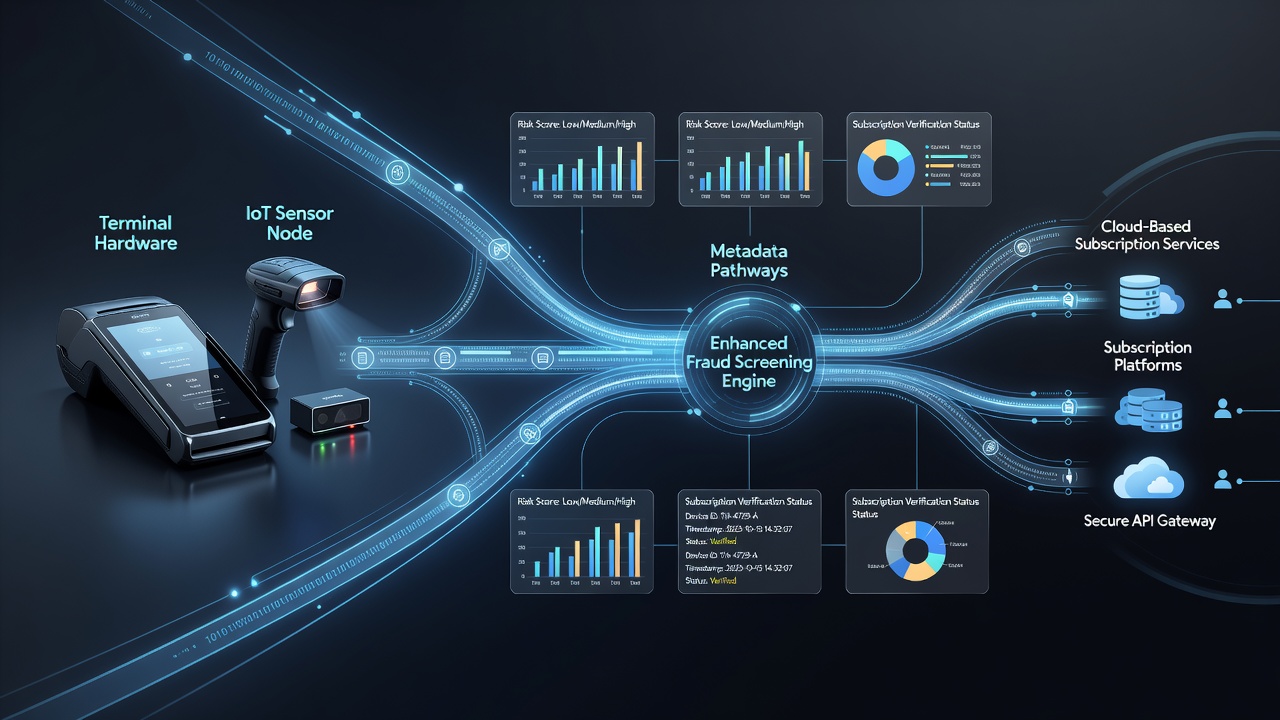
One retailer chain implemented metadata matching across its point-of-sale network and online subscription service in early 2025, resulting in automated suspension of accounts showing terminal metadata mismatches during renewal attempts; the approach relied on real-time API handshakes rather than batch uploads. Industry reports from the European Central Bank highlight similar patterns in cross-border subscription models where terminal location data helps distinguish legitimate travel-related purchases from account takeover attempts.
Technical Standards and July 2026 Developments
Updates scheduled for July 2026 introduce expanded metadata schemas that include environmental sensor readings from terminals, such as temperature fluctuations and vibration patterns, which platforms can factor into fraud models for high-value recurring services. These enhancements build on existing ISO 20022 messaging frameworks that already support extended data fields for device authentication. Organizations preparing for the rollout have begun testing compatibility layers that map older terminal outputs to the new metadata requirements without disrupting live subscription flows.
Challenges in Maintaining Pathway Integrity
Legacy terminals sometimes produce incomplete metadata sets that subscription platforms must supplement with alternative signals, while newer devices generate volumes of data that require efficient filtering to prevent processing delays during peak billing periods. Network latency between retail locations and cloud-based subscription engines can introduce timestamp offsets that algorithms must account for when scoring recurring transactions. Payment processors address these issues through redundant routing options and periodic calibration checks that align hardware clocks with central servers.
Retail operations that span multiple regions face additional considerations around data residency rules, since metadata pathways must route through approved jurisdictions before reaching centralized subscription platforms for fraud evaluation. Compliance teams track these routes to ensure that device identifiers and location details remain protected under applicable regulations throughout the transmission process.
Conclusion
Metadata pathways establish direct connections between terminal hardware and subscription platforms that strengthen fraud screening during recurring charge cycles through consistent device profiling and anomaly detection. As standards evolve in July 2026 and beyond, these linkages will incorporate additional sensor data while preserving the separation between sensitive payment credentials and contextual information. Organizations that maintain robust pathway configurations position their systems to handle increasing volumes of hybrid transactions with greater precision.