Pattern Recognition in Transaction Streams: Advanced Techniques for Identifying Anomalies Across Credit Card Processing Networks
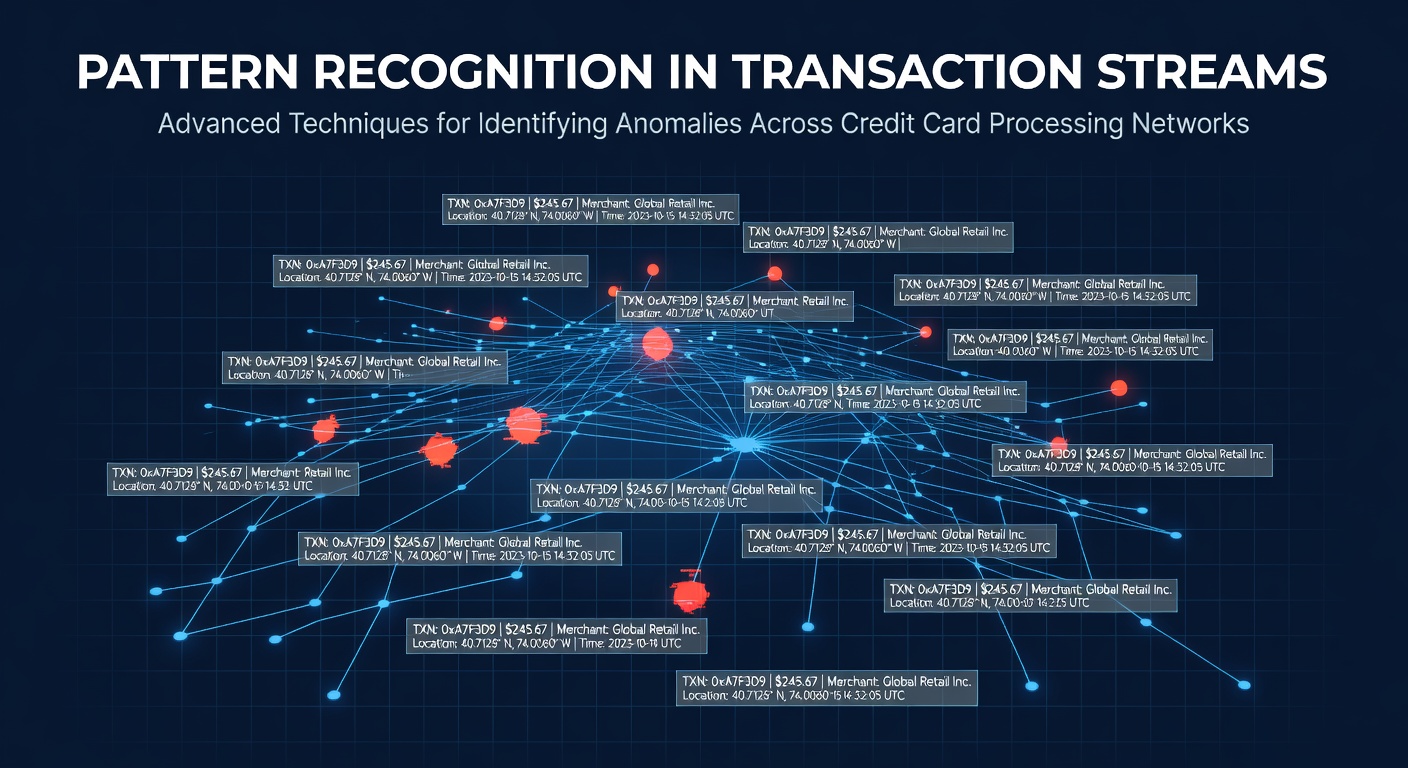
Credit card processing networks manage billions of transactions each day, and pattern recognition systems work to detect anomalies that might signal fraud or operational issues while data streams flow continuously through global authorization points. Researchers have developed methods that analyze sequences in real time, combining statistical models with machine learning to flag deviations from established behaviors, and these approaches have become essential as transaction volumes grow.
How Transaction Streams Reveal Patterns
Transaction streams consist of timestamped records that include merchant identifiers, amounts, locations, and card details, which together create sequences that algorithms can monitor for consistency. Observers note that normal activity often follows predictable cycles, such as higher volumes during evening hours in certain regions, whereas sudden spikes or geographic jumps can indicate problems. In May 2026, payment processors reported increased adoption of stream processing frameworks that handle these flows without batch delays, allowing earlier intervention when anomalies appear.
Pattern recognition begins with feature extraction, where systems pull out variables like velocity of purchases or device fingerprints, then feed them into models trained on historical data. Those who've studied credit card networks know that unsupervised techniques, including clustering and autoencoders, identify outliers without labeled examples, while supervised methods use known fraud cases to refine detection boundaries. Data from the European Central Bank shows that such layered approaches reduced false positives in several large networks during recent testing periods.
Advanced Methods in Anomaly Detection
Graph-based analysis treats accounts and merchants as nodes connected by transaction edges, revealing hidden relationships that simple rules miss, and this technique has gained traction because it captures coordinated activity across multiple cards. Deep learning models, particularly recurrent and transformer architectures, process sequential data to predict expected next steps in a stream, then compare actual events against those predictions. What's interesting is how these models adapt to seasonal shifts without manual retraining, since they learn from ongoing flows rather than static datasets.
Ensemble methods combine outputs from several detectors, weighting each according to recent performance, which helps networks maintain accuracy when fraud tactics evolve. Researchers discovered that incorporating external signals, such as geolocation consistency or browser behavior, further sharpens results, although privacy constraints limit how much auxiliary data can be used. According to figures from the Bank for International Settlements, networks that integrated graph and sequence models saw measurable drops in disputed transactions over successive quarters.
Real-Time Processing and Scalability Challenges
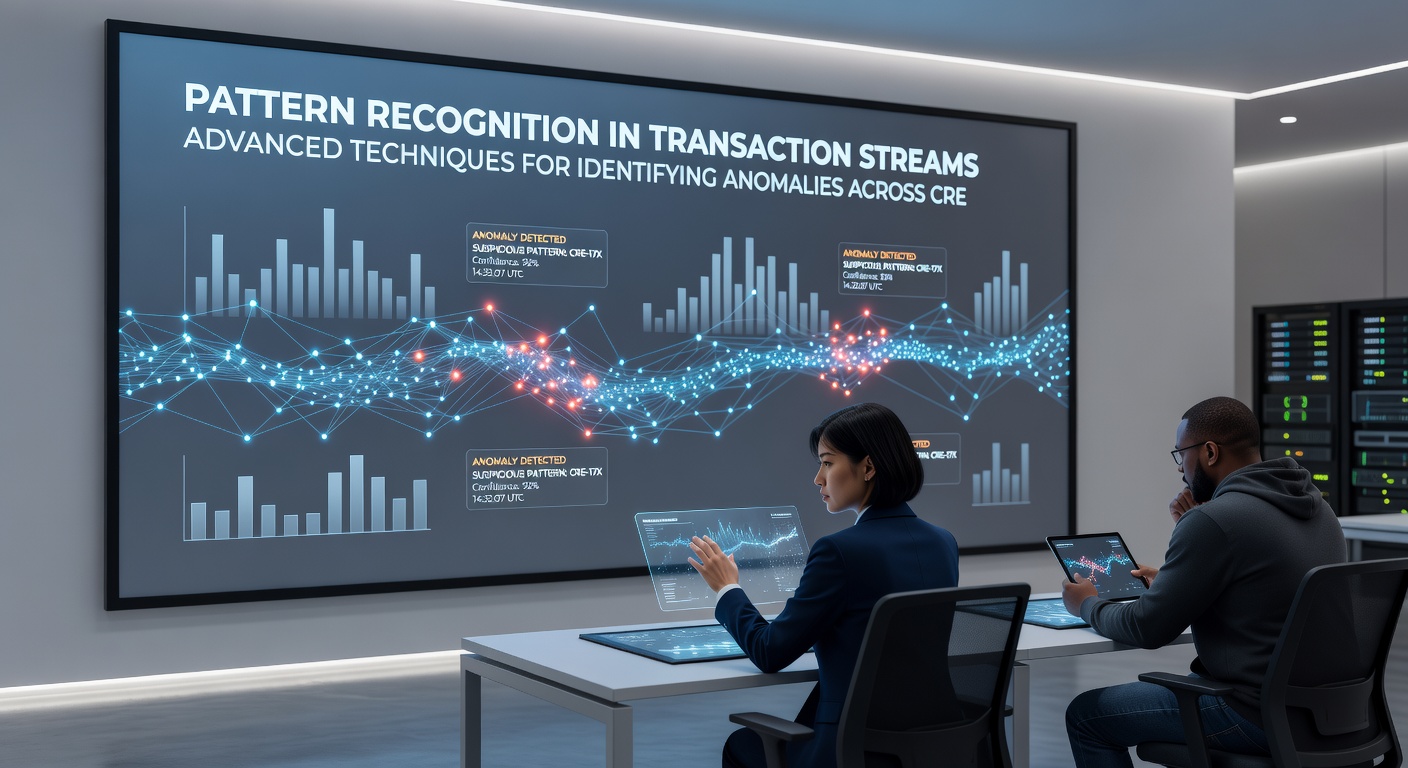
Real-time detection requires low-latency pipelines that ingest events, score them, and trigger alerts within milliseconds, yet scaling these systems across worldwide networks demands careful resource allocation. Engineers have observed that distributed stream processors like Apache Kafka paired with specialized analytics engines allow parallel evaluation of millions of records per second. But here's the thing: balancing speed against model complexity remains an ongoing task, because deeper neural networks consume more compute time even as they improve precision.
Privacy regulations in multiple jurisdictions now require that personal data stay protected during analysis, which has led to techniques such as federated learning where models train across separate datasets without centralizing raw transactions. Those working with credit card processors report that this method preserves detection quality while meeting compliance standards that tightened in early 2026. Edge computing nodes placed near authorization centers further reduce round-trip delays, letting initial pattern checks occur before full data reaches core systems.
Integration with Existing Network Infrastructure
Legacy authorization platforms often run alongside newer detection layers, and successful implementations route suspicious streams through secondary verification without halting legitimate traffic. Case examples from major acquirers illustrate how API gateways feed selected transactions into pattern engines while normal flows proceed uninterrupted. One study revealed that incremental rollout strategies, starting with high-risk merchant categories, allowed teams to measure lift before expanding coverage.
Collaboration between card networks and issuing banks has produced shared pattern libraries that improve collective detection rates, since fraud patterns observed in one region can inform others quickly. Yet the reality is that each participant still maintains proprietary thresholds tuned to its customer base, preventing one-size-fits-all solutions from dominating the space.
Conclusion
Pattern recognition in transaction streams continues to advance through combinations of statistical, graph, and deep learning techniques that operate on continuous credit card data. As networks handle growing volumes and regulators introduce fresh requirements, these methods provide the monitoring capabilities needed to surface anomalies promptly. Ongoing refinements in real-time processing and privacy-preserving approaches indicate that detection systems will keep evolving alongside the payment landscape.