Retailers Explore Fresh Connections Between Automated Invoicing Tools and Terminal Upgrades for Smoother Cross-Channel Operations
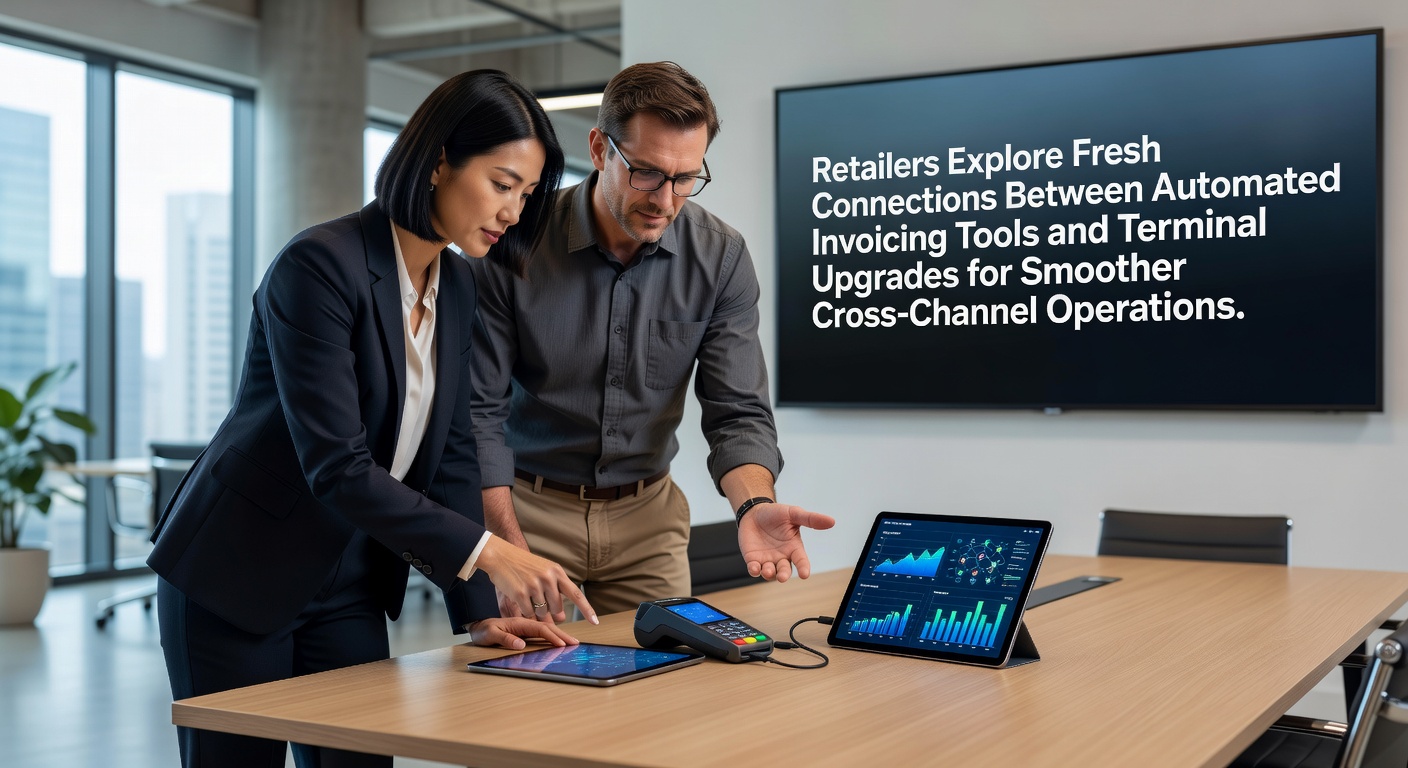
Retailers continue to link automated invoicing platforms directly with upgraded payment terminals as they seek more fluid movement between in-store purchases, online orders, and mobile transactions. These connections allow sales data to flow into billing records without manual re-entry, reducing delays that once stretched across multiple systems. Data from industry tracking shows that by May 2026 many mid-sized chains had already completed terminal refreshes that support real-time invoice generation across channels.
Linking Systems That Once Operated Separately
Payment terminals installed in physical locations traditionally handled only card or cash acceptance while invoicing software ran on separate back-office servers. Retail technology providers now deliver firmware updates that let newer terminals push transaction details straight into automated invoicing engines. Observers note that this direct hand-off cuts the time between sale completion and invoice dispatch from hours to seconds in many documented cases. Retailers who adopted these integrations report fewer mismatched records between what customers receive online and what appears on printed receipts in stores.
Technical Steps Behind the Integration
Upgraded terminals carry built-in APIs that communicate with cloud-based invoicing services using standardized payment messaging formats. When a customer completes a purchase at a countertop device, the terminal sends line-item details, tax calculations, and payment confirmation to the invoicing platform in one transmission. The invoicing tool then formats the data into branded documents that reach customers via email or app notification without additional staff input. Research from payment processor consortia indicates that terminals supporting EMV chip standards and contactless protocols handle these data exchanges more reliably than older models still in circulation.
Cross-Channel Consistency Achieved Through Shared Data
Customers who start an order on a website and finish payment in a store expect one unified record rather than separate invoices for each step. Automated systems achieve this by assigning a single transaction identifier that travels from the e-commerce cart through the upgraded terminal at checkout. Staff members can retrieve the full history on either channel using the shared identifier, which eliminates duplicate billing entries. Figures released by European retail technology associations in early 2026 revealed that chains using these unified identifiers reduced customer service inquiries about split invoices by nearly one third compared with the previous year.
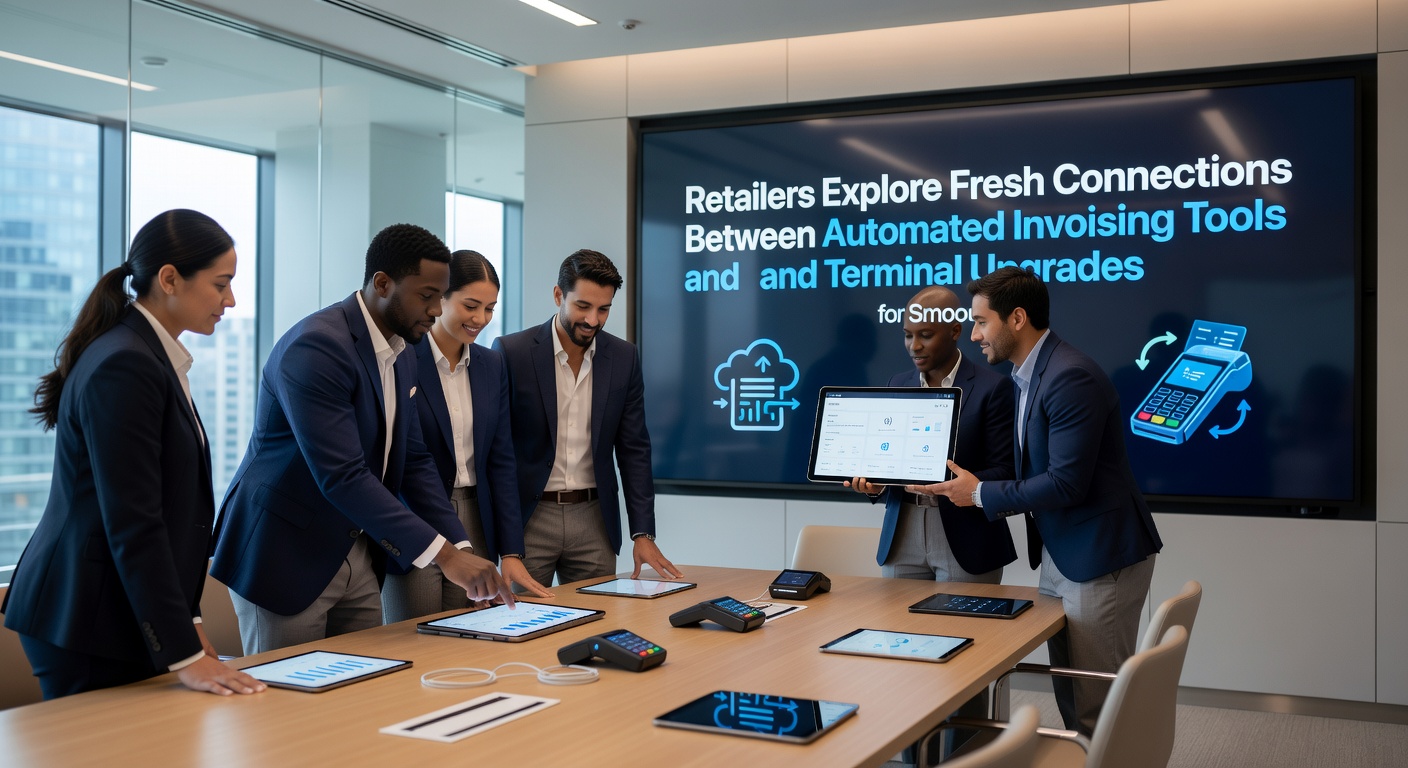
Examples From Chains That Completed Upgrades
One regional grocery operator in Canada replaced legacy terminals with models that support instant invoice syncing and observed a measurable drop in end-of-day reconciliation work. The same operator connected its loyalty program database so that points and discounts appear correctly on both digital and printed invoices. A home-improvement retailer in Australia introduced similar terminal upgrades during 2025 and found that field technicians could generate on-site invoices from mobile devices that matched records created at fixed store locations. These cases illustrate how the same technical link serves different retail formats without requiring entirely new software stacks.
Security and Compliance Considerations
Upgraded terminals incorporate encryption modules that protect invoice data during transmission to central servers. Regulatory guidance from bodies such as the Federal Reserve emphasizes tokenization of card details before they reach invoicing platforms, a step that many current terminal models now perform automatically. Retailers must also verify that automated invoices meet local tax reporting rules, which vary by jurisdiction yet share common requirements for timestamp accuracy and sequential numbering. Observers note that terminals certified under PCI DSS 4.0 standards reduce the scope of annual audits because fewer systems store full card numbers.
Training and Operational Adjustments
Staff education focuses on recognizing when an invoice has already been generated by the connected system rather than creating a new one manually. Training modules supplied by hardware vendors walk employees through simple dashboard checks that confirm synchronization status. Managers track adoption rates through reports that flag any terminals still operating in offline mode, which temporarily breaks the invoicing link. Chains that completed these training cycles by spring 2026 reported faster staff proficiency than during earlier terminal replacement projects that lacked invoicing integration.
Conclusion
Retailers continue to refine the connection between automated invoicing tools and terminal upgrades as a practical route toward consistent cross-channel records. The approach relies on existing payment infrastructure rather than wholesale replacement of back-office systems. Continued firmware updates and API improvements are expected to expand the range of data elements that move automatically between channels.