Retailers Track Live Transaction Patterns Through Middleware Layers Linking POS Terminals Directly to Gateway APIs for Dynamic Inventory Adjustments During Flash Sales Events
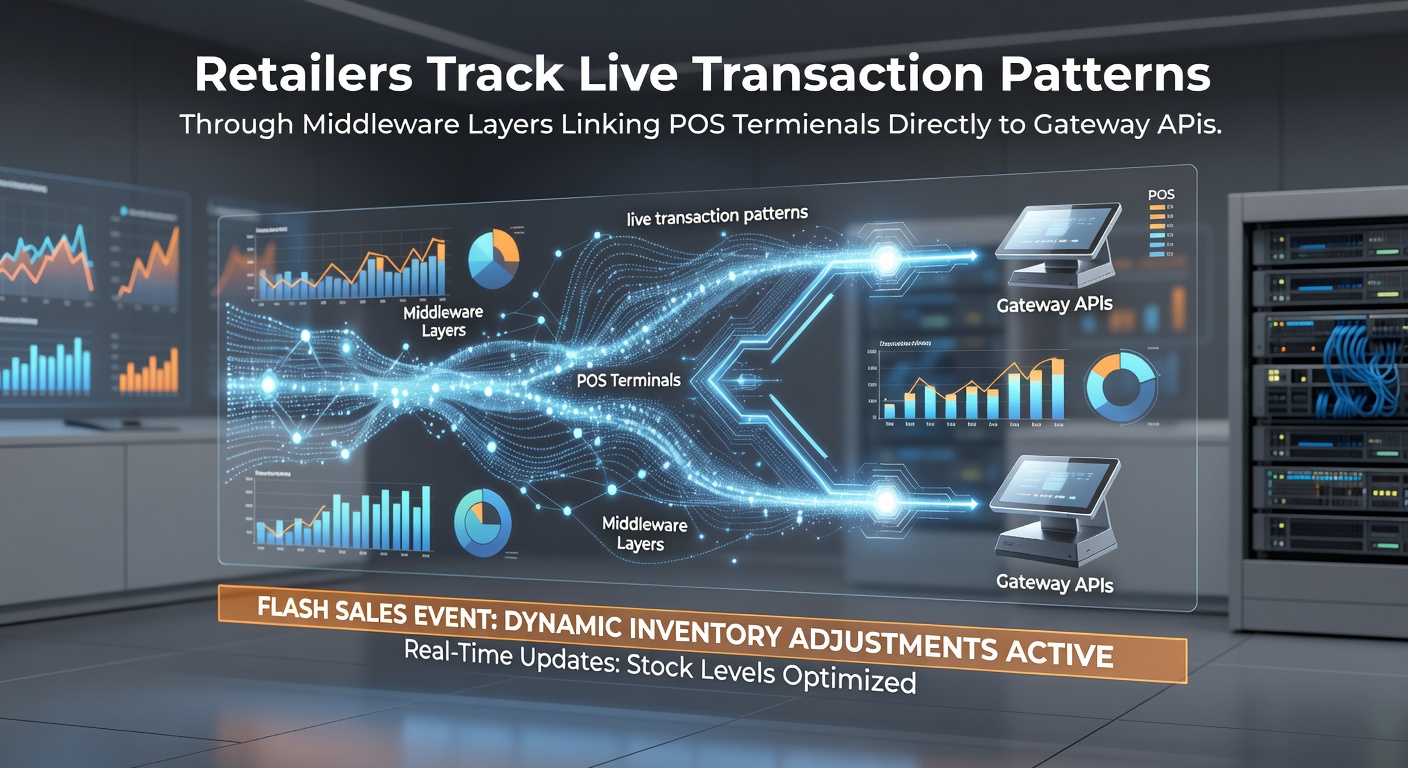
Retail operations have evolved to handle sudden spikes in demand through integrated systems that connect point-of-sale terminals with payment gateways, and middleware plays a central role in this process by processing transaction data in real time. This setup allows inventory levels to update automatically as sales occur, particularly during flash sales where stock can move quickly across multiple channels.
Understanding the Middleware Connection
Middleware sits between POS hardware and external APIs from payment processors, capturing each transaction as it completes and routing relevant details like item quantities and timestamps directly into inventory databases. Systems like these operate without manual intervention, since the software layers translate data formats from legacy terminals into standardized API calls that update stock counts within seconds. According to research from the National Retail Federation, many chains adopted similar architectures by early 2025 to manage high-volume events more efficiently.
During flash sales, transaction volumes can increase tenfold within minutes, and the middleware monitors patterns such as item popularity and regional demand shifts while feeding that information back to replenishment algorithms. This direct linkage prevents overselling because inventory adjustments happen concurrently with payment authorization, rather than through batch uploads that create delays.
Technical Flow in Action
POS terminals initiate a sale by sending structured data packets through the middleware layer, which then forwards authorization requests to the gateway API while simultaneously logging the product movement. The gateway responds with approval status, and the middleware uses that confirmation to trigger an immediate decrement in available stock across connected warehouses and online platforms. Researchers at the Massachusetts Institute of Technology documented similar real-time synchronization methods in supply chain studies published in 2024, noting improved accuracy when middleware handles the translation between disparate systems.
Flash sales often run across both physical stores and digital storefronts, so the middleware also aggregates data from multiple sources to provide a unified view. One retailer operating in North America implemented this approach and reported that stock discrepancies dropped significantly after deployment, because every approved transaction updated the central system without requiring separate reconciliation steps.
Applications During Peak Events
June 2026 brought several large-scale promotional campaigns where retailers tested these integrated setups under heavy load, and data from those periods showed that middleware-enabled systems maintained inventory accuracy above 98 percent even when transaction rates exceeded 500 per minute at individual locations. The technology tracks not only sales volume but also patterns like repeat purchases of specific SKUs, allowing automatic triggers for restocking alerts sent to distribution centers.
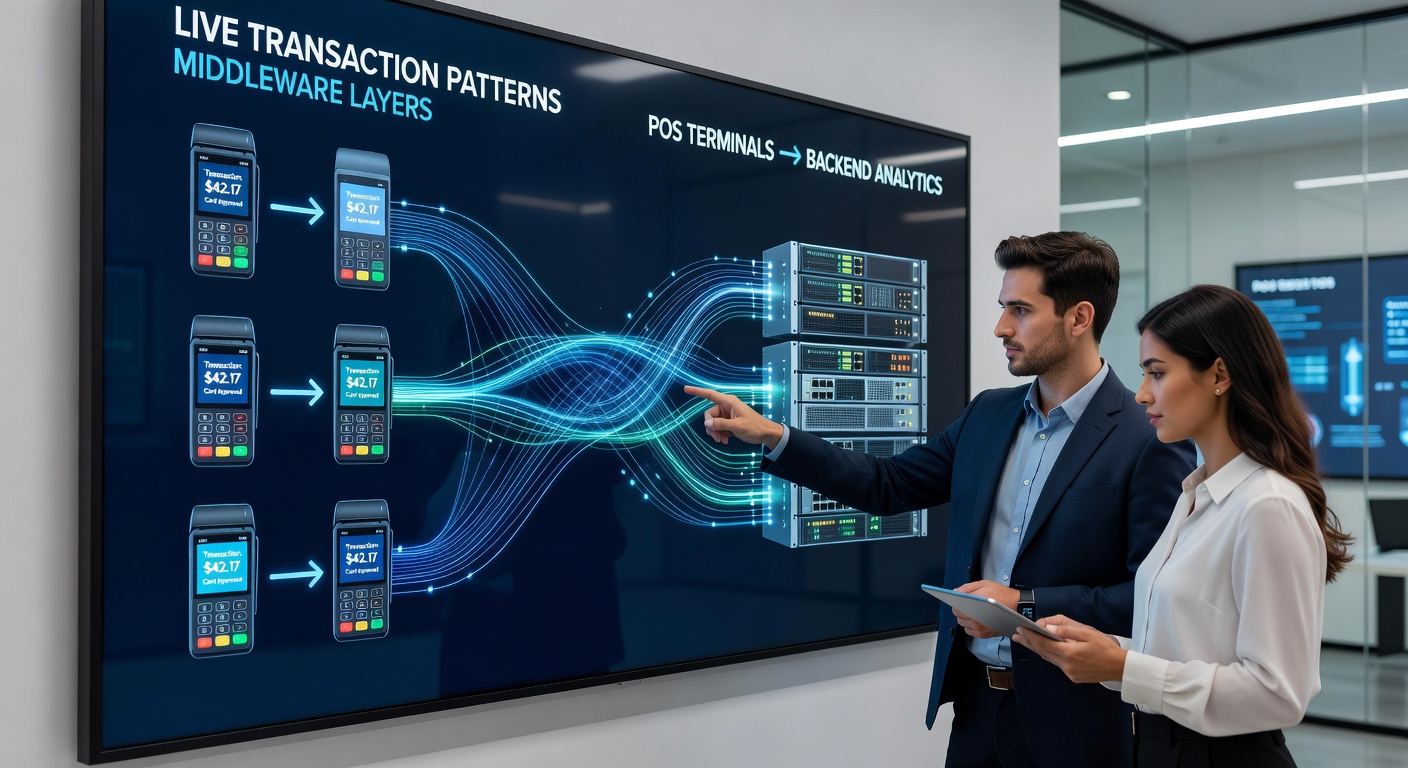
Observers note that this level of integration supports omnichannel consistency because online orders placed during the same flash sale window draw from the same live inventory pool updated by in-store terminals. European retail associations reported comparable outcomes in member surveys conducted throughout 2025, highlighting reduced stockouts when API connections operate continuously rather than on scheduled intervals.
Data Patterns and Adjustments
Live tracking reveals trends such as geographic clustering of purchases or sudden shifts toward higher-priced variants, and middleware processes these signals to suggest pricing or allocation changes before the sale ends. Gateway APIs contribute by providing transaction metadata like payment method and approval time, which combines with inventory data to create comprehensive dashboards for operations teams. Statistics Canada published findings in late 2025 indicating that retailers using direct middleware links experienced fewer manual overrides during promotional periods compared with those relying on periodic data exports.
Implementation often begins with mapping existing POS output formats to API endpoints, followed by testing under simulated high-traffic conditions. Many organizations complete this integration within weeks when starting from standard middleware platforms already compatible with major gateway providers.
Conclusion
Retailers continue to refine these connections as flash sale frequency increases, relying on middleware to maintain accurate inventory across physical and digital channels through direct POS-to-gateway linkages. The approach delivers measurable improvements in stock management during high-demand windows, supported by ongoing developments in API standards and data processing speeds.