Shielding Subscriptions: Fraud Tactics That Recurring Billing Can't Ignore
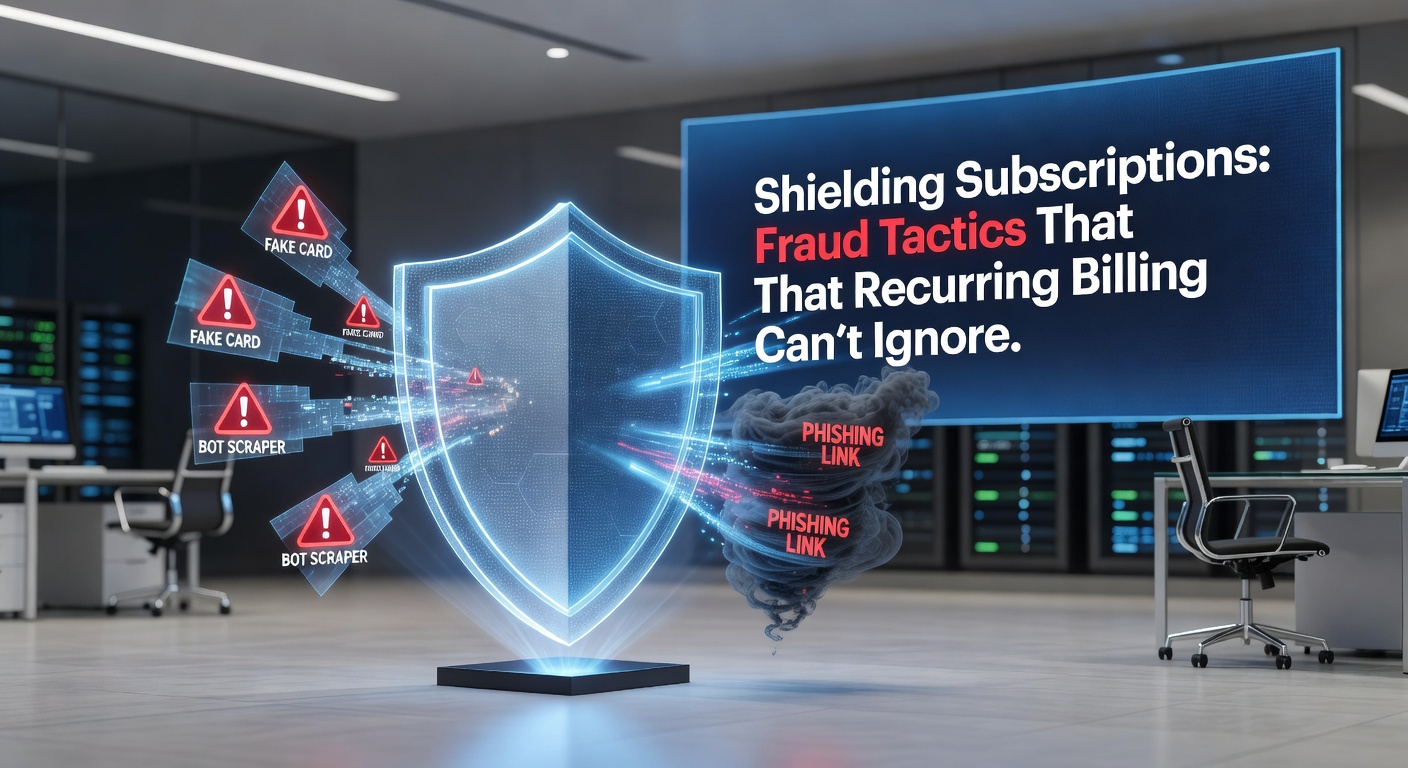
Shielding Subscriptions: Fraud Tactics That Recurring Billing Can't Ignore
The Rise of Subscription Fraud in a Booming Economy
Subscription services have exploded in popularity over recent years, with global revenue topping $1.5 trillion in 2025 according to industry trackers; businesses from streaming giants to meal kits rely on recurring billing, yet fraudsters have zeroed in on these models because they offer steady, predictable revenue streams ripe for exploitation. Data from FTC reports reveals that complaints about unwanted subscriptions surged 20% year-over-year, while payment processors note recurring transactions face attack rates two to three times higher than one-offs. And here's the kicker: as consumers sign up for more trials and auto-renewals, fraud tactics evolve faster than defenses can keep up, turning what should be reliable income into a minefield.
Observers point out that the shift toward digital-first lifestyles accelerated this trend post-pandemic, with average households now juggling five to seven subscriptions; that's where fraudsters strike, using everything from stolen cards to sophisticated bots. Turns out, recurring billing's strength—seamless continuity—becomes its Achilles' heel when chargebacks spike and legitimate customers suffer from tightened security.
Common Fraud Tactics Targeting Recurring Billing
Friendly fraud tops the list, where subscribers dispute legitimate charges after enjoying the service—perhaps forgetting the trial converted to paid—leading to refunds while the merchant loses both revenue and goods; studies from Australia's ACCC show this tactic accounts for 40% of subscription-related disputes. But that's just the start: account takeovers follow closely, as hackers breach weak passwords or use credential stuffing to hijack profiles and alter payment details for ongoing theft.
Card-not-present testing, or carding, floods merchants with tiny trial sign-ups using stolen cards, probing for valid ones before scaling up to full subscriptions; processors report this method evades initial checks because low-value charges mimic real behavior. Synthetic identities add another layer, where fraud rings blend real and fake data to create ghost subscribers that rack up charges undetected for months.
Cramming sneaks unauthorized subscriptions onto existing bills, often disguised as add-ons from trusted providers, while negative option billing tricks users into accidental commitments during free trials that flip to paid without clear consent; regulators worldwide flag these as persistent threats because they exploit trust in familiar brands.
How These Tactics Exploit Recurring Billing Vulnerabilities
Recurring models thrive on stored payment tokens, which cybercriminals covet through phishing emails mimicking renewal notices or malware that scrapes autofill data; once inside, they tweak billing frequencies or inflate amounts subtly, siphoning funds over time without triggering alerts. Experts who've dissected attack patterns note that velocity checks—limits on sign-ups per IP—fail against VPNs and proxy farms, allowing fraudsters to simulate organic growth across thousands of accounts.
What's interesting is how machine learning aids attackers now: bots analyze merchant sites to mimic human sign-up patterns, completing CAPTCHAs and varying session times to dodge basic automation detection; one case study from a European fintech conference highlighted a ring that processed 50,000 fake gym memberships in weeks, netting $2 million before detection. And while PCI compliance secures data storage, the human element—overworked support teams approving refunds hastily—often lets friendly fraud slip through.
April 2026 projections from payment analytics firms paint a stark picture: with subscription fraud losses expected to hit $12 billion annually, tactics like deepfake voice verification bypasses will challenge even advanced biometrics, urging businesses to layer defenses proactively.

Detection Strategies That Actually Work
Real-time monitoring flags anomalies like rapid sign-ups from new IPs or mismatched billing and shipping details, with AI models scoring transactions based on device fingerprints and behavioral biometrics; data indicates these cut false positives by 30% compared to rules-based systems. Device intelligence tracks fingerprint consistency across sessions, blocking takeovers where hardware IDs shift suspiciously mid-subscription.
But here's where it gets interesting: network-wide sharing through consortiums lets processors cross-reference fraud signals globally, exposing patterns like the same stolen card hitting multiple merchants; one researcher who analyzed 2025 breaches found this approach neutralized 65% of syndicated attacks early. Velocity rules tailored to subscription lifecycles—watching trial-to-paid conversions—spot card testing, while email validation scrubs bots before they embed.
People who've implemented 3D Secure 2.0 for recurring payments report fewer disputes, as it shifts liability while gathering friction data like geolocation; yet observers caution that over-reliance on any single tool invites workarounds, so layering remains key.
Prevention Measures for Long-Term Shielding
Clear consent flows with bold disclosures and easy cancellation portals build trust and deter disputes—EU consumer directives mandate one-click cancels, reducing friendly fraud by 25% in compliant firms; merchants who add trial-end reminders via SMS or email see retention rise alongside lower chargebacks. Tokenization vaults payment data off-site, minimizing breach impacts, while dynamic descriptors on statements remind customers of the charge's origin.
So teams train staff on red flags like bulk identical sign-ups or refunds clustered by geography, empowering manual reviews where AI flags uncertainty; partnerships with issuers for pre-authorization on high-risk renewals further fortify. Those who've adopted subscription management platforms with built-in fraud gateways note approval rates climb 15%, balancing security and conversion.
Now consider post-April 2026 mandates from bodies like Canada's FCAC, which will require enhanced recurring consent logs—businesses preparing now integrate compliant workflows to stay ahead, turning compliance into a competitive edge.
Case Studies: Lessons from the Front Lines
Take a major streaming service hit by a 2024 carding spree: fraudsters used emulators to test 100,000 cards daily, slipping 20% through weak trials; after deploying behavioral analytics and IP reputation scoring, losses dropped 80% within months, proving layered tech's power. Another example involves a beauty box company plagued by cramming via partner upsells—regulatory fines followed until they audited affiliate links and enforced granular permissions, slashing incidents.
In a Canadian e-learning platform's saga, account takeovers drained $500,000 in course access before multi-factor authentication across logins and payments halted the bleed; researchers studying this case emphasize proactive user education, like password strength nudges, as a low-cost amplifier. These stories underscore that while no shield is impenetrable, swift adaptation keeps fraud at bay.
Future Trends and Evolving Defenses
By April 2026, quantum-resistant encryption will counter emerging threats from advanced compute, while embedded finance in apps invites micro-subscriptions vulnerable to insider fraud; analytics predict passkey adoption will curb credential stuffing by 50%, shifting battles to social engineering. Global regs harmonize too—US CFPB rules on recurring transparency align with Australia's trap disclosures—pushing uniform standards that savvy processors leverage for scale.
Yet fraud rings adapt with AI-driven morphing attacks, so continuous model retraining becomes non-negotiable; those monitoring horizons invest in federated learning, pooling anonymized data across borders without privacy risks. The reality is, subscription fraud's cat-and-mouse game demands vigilance, but armed with data and tools, recurring billing endures stronger.
Conclusion
Recurring billing powers modern commerce, yet fraud tactics like friendly disputes, takeovers, and synthetic schemes demand robust countermeasures from detection AI to crystal-clear consents; figures show integrated strategies slash losses dramatically, preserving trust and revenue. As threats evolve toward 2026 and beyond, businesses that layer tech, train teams, and heed regulatory shifts position themselves not just to survive, but thrive in the subscription arena.