Tracing Transaction Timestamps From Physical Readers Through Gateway Layers to Refine Verification in Digital Commerce Platforms
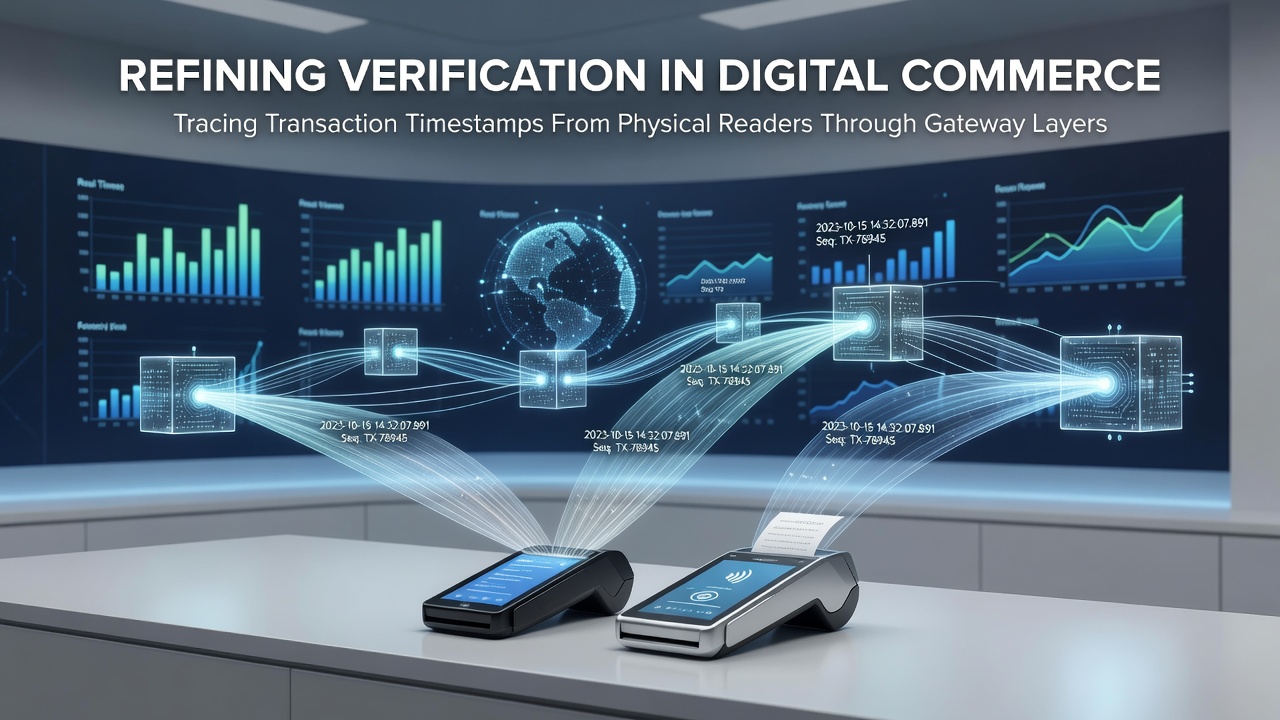
Physical card readers capture transaction timestamps at the moment a payment instrument interacts with the device, and these timestamps travel through multiple gateway layers before reaching verification systems in digital commerce platforms. Observers note that the process begins when hardware records the exact second a card or mobile device contacts the reader, creating an initial data point that later layers must preserve without alteration. Data from industry reports shows that precise timestamp tracking helps platforms match physical events with digital authorization requests, reducing mismatches that occur during high-volume periods.
Initial Capture at Physical Readers
Card readers equipped with internal clocks generate the first timestamp when a transaction initiates, and this value includes details such as reader identification, transaction type, and the precise time down to milliseconds. Studies conducted by payment hardware manufacturers indicate that modern readers synchronize their clocks with network time protocols to maintain accuracy across distributed retail locations. Researchers have observed that any deviation in reader clocks can propagate errors through subsequent layers, which is why many systems now require periodic calibration checks. In June 2026 several hardware providers introduced updated firmware that enforces automatic time synchronization every four hours, a step that addresses drift issues reported in earlier models.
Transmission Through Gateway Layers
Gateway layers receive the timestamp data from physical readers and apply additional processing steps that include validation, routing, and enrichment with merchant identifiers. Each gateway records its own arrival timestamp upon receiving the packet, creating a chain of time markers that verification engines later analyze for consistency. Evidence from network monitoring tools reveals that gateways often add metadata such as latency measurements and protocol version numbers, yet the original reader timestamp remains intact to support end-to-end tracing. Those who manage these systems report that preserving the initial timestamp allows platforms to calculate total processing duration from reader contact to authorization response.
Verification Refinement Techniques
Digital commerce platforms use the accumulated timestamp chain to refine verification by comparing expected processing windows against actual elapsed times. When a transaction shows an unusually long gap between reader timestamp and gateway arrival, algorithms flag the event for additional review without immediately declining the payment. Research published by academic institutions demonstrates that timestamp-based anomaly detection improves fraud identification rates by cross-referencing physical event times with digital session logs. Platforms integrate these checks into existing verification workflows, allowing them to adjust risk scores dynamically based on timing patterns rather than relying solely on static rules.
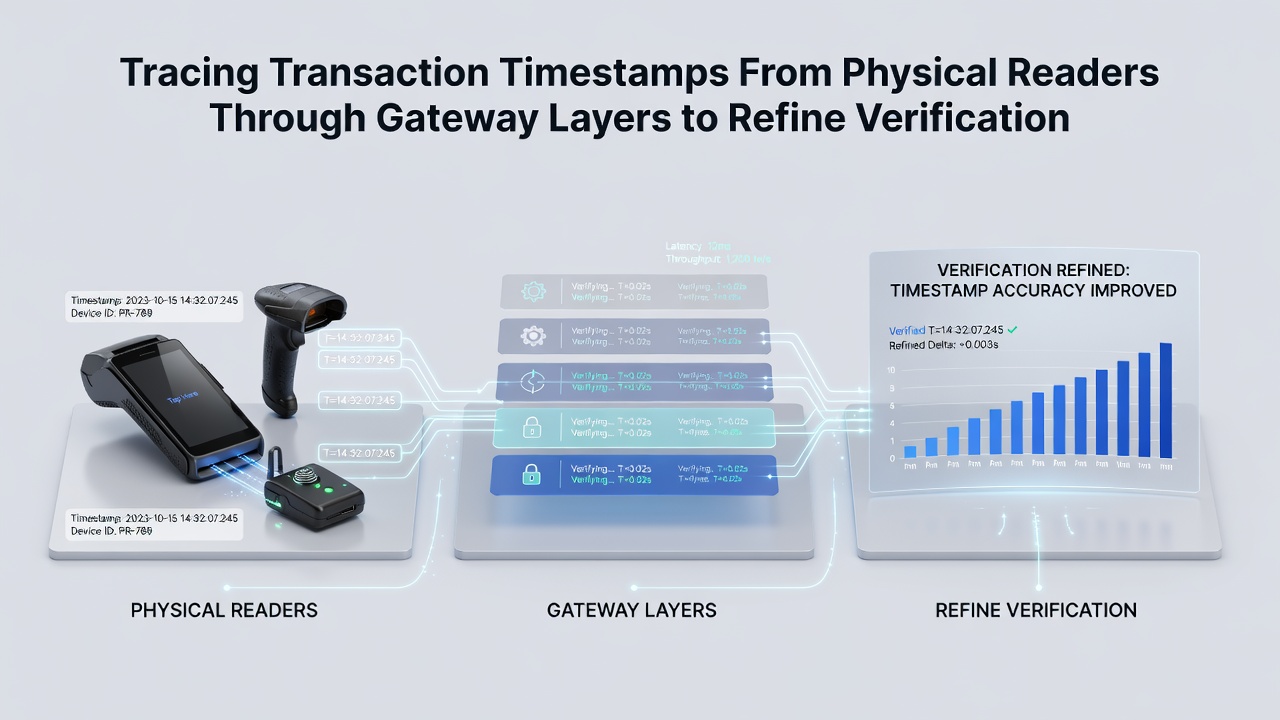
One study revealed that organizations implementing timestamp tracing reduced verification false positives by correlating reader events with gateway logs in real time. The approach works because each layer appends its timestamp while keeping prior values available for comparison, creating a verifiable audit trail that regulators and internal auditors can examine. Data indicates that this method proves especially useful during peak shopping periods when multiple transactions compete for processing resources.
Integration With Broader Commerce Systems
Commerce platforms connect timestamp data to inventory and order management modules so that verified transactions update stock levels with accurate timing references. Analysts have documented cases where mismatched timestamps caused inventory discrepancies that required manual correction, prompting developers to build automated reconciliation routines based on the timestamp chain. According to NIST guidelines on time sources, standardized timestamp formats help ensure compatibility when platforms exchange data with external processors. The same reports note that platforms adopting these formats experience fewer synchronization issues across international operations.
Additional research from European academic sources highlights how timestamp granularity affects verification precision, with sub-second measurements providing clearer separation between legitimate rapid transactions and automated attack patterns. Platforms now store these detailed timestamps in encrypted logs that support both immediate verification and later forensic analysis when required.
Conclusion
Tracing transaction timestamps from physical readers through gateway layers supplies digital commerce platforms with measurable data points that refine verification accuracy. The chain of timestamps allows systems to detect anomalies, calculate processing durations, and maintain consistent records across hardware and software components. Continued adoption of synchronized time protocols and standardized formats supports ongoing improvements in transaction handling as commerce platforms scale their operations.